Avicenna J Environ Health Eng. 12(2):119-127.
doi: 10.34172/ajehe.5430
Review Article
Investigation of the Relationship Between Long-term Exposure to Toxic Air Pollutants and the Increased Risk of Diabetes
Abdullah Ali Alzahrani Investigation, Project administration, Resources, Writing – original draft, Writing – review & editing, 1 
Elena Lak Investigation, Project administration, Resources, Writing – original draft, Writing – review & editing, 2
Ahmed Alawadi Investigation, Resources, Writing – review & editing, 3, 4
Mais Mazin Al-Hamdani Investigation, Resources, Writing – review & editing, 5
Mohammed Jawad Alnajar Investigation, Resources, Writing – review & editing, 6
Sally Salih Jumaa Investigation, Resources, Writing – review & editing, 7
Majid Farhadi Conceptualization, Data curation, Investigation, Methodology, Software, Writing – original draft, Writing – review & editing, 8
Masoume Taherian Investigation, Software, Writing – review & editing, 9
Mohammad javad Mohammadi Conceptualization, Data curation, Investigation, Methodology, Project administration, Resources, Software, Writing – original draft, Writing – review & editing, 10, *
Author information:
1Department of Surgery, Taif University, Taif, Saudi Arabia
2Department of Internal Medicine, School of Medicine, Ahvaz Jundishapur University of Medical Sciences, Ahvaz, Iran
3College of Technical Engineering, the Islamic University, Najaf, Iraq
4College of Technical Engineering, the Islamic University of Al Diwaniyah, Al Diwaniyah, Iraq
5Department of Pharmaceutics, College of Pharmacy, Al-Ayen University, Thi-Qar, Iraq
6Anesthesia Techniques, Al–Nisour University College, Baghdad, Iraq
7College of Pharmacy, National University of Science and Technology, Dhi Qar, Iraq
8Department of Environmental Health, School of Health and Nutrition, Environmental Health Research Center, Lorestan University of Medical Sciences, Khorramabad, Iran
9Student Research Committee, Ahvaz Jundishapur University of Medical Sciences, Ahvaz, Iran
10Environmental Technologies Research Center, Medical Basic Sciences Research Institute, Ahvaz Jundishapur University of Medical Sciences, Ahvaz, Iran
Abstract
Air pollution, which has long been recognized as a tangible problem due to its harmful consequences, causes irreparable damage to human health. This study investigated the relationship between long-term exposure to toxic air pollutants and the increased risk of malignant diabetes. In this study, 800 articles were found in the initial literature review. Databases used for searching included the Web of Science, Google Scholar, PubMed, and Science Direct (Scopus). In the end, 18 papers were selected. Then, all relevant studies published from 1994 to 2021 were identified. The literature showed that exposure to toxic air pollutants and their inhalation can cause complications in various organs. Chronic diabetes, caused by the reduced production of insulin by the pancreas or its failure to use it, may lead to numerous impairments and permanent effects, including amputation, renal failure, and mortality. Inhaling air pollution causes both acute and chronic heart conditions, persistent respiratory conditions, asthma episodes, neuroendocrine and immunological abnormalities, infertility, premature birth, diabetes, pulmonary, prostate, and blood malignancies, as well as mortality. This study indicates that air pollution affects pancreatic function, which can increase the probability of developing diabetes. The research also found that inhaling these substances can raise the prevalence of diabetes and have various adverse effects.
Keywords: Diabetes, Long-term exposure, Toxic air pollutants, Heavy metal
Copyright and License Information
© 2025 The Author(s); Published by Hamadan University of Medical Sciences.
This is an open-access article distributed under the terms of the Creative Commons Attribution License (
https://creativecommons.org/licenses/by/4.0), which permits unrestricted use, distribution, and reproduction in any medium, provided the original work is properly cited.
Please cite this article as follows: Alzahrani AA, Lak E, Alawadi A, Al-Hamdani MM, Alnajar MJ, Jumaa SS, et al. Investigation of the relationship between long-term exposure to toxic air pollutants and the increased risk of diabetes. Avicenna J Environ Health Eng. 2025;12(1):119-127. doi:10.34172/ajehe.5430
1. Introduction
Air pollution is the presence of undesirable substances in the air to the extent that it can cause harmful effects on living organisms (1). Many of these pollutants enter the atmosphere in a way that is not currently controlled by humans, yet in most densely populated areas, especially industrialized countries, the main source of these pollutants is human activities (2-4). Today, the intensity of pollutants such as polycyclic aromatic hydrocarbons, heavy metals, benzene, sulfur dioxide (SO2), hydrocarbons, nitrogen oxides (NO2), particulate matter (PM10, PM2.5, PM1), and ozone (O3) has reached a global level, which is critical for living (2,3,5). The concern about air pollution, which hurts both people and the environment, has compelled people to seek successful ways to mitigate and manage it (6,7). The rising problem, worsened by the expansion of many different industries and intricate human innovations, has significantly impacted the health of the general population (8,9). Hence, getting contaminated with hazardous airborne particles can lead to a variety of mild to serious diseases, depending on the duration and extent of exposure. In other words, short-term exposure to pollutants can cause complications such as cough, dizziness, redness, itching of the eyes, and shortness of breath and the consequences of long-term exposure to them include chronic lung disease, heart attack, stroke, infertility, miscarriage, diabetes, cancer (blood, lung, liver, prostate, and brain), and eventually death (10,11). Therefore, due to the presence of toxic compounds and pollutant particles, air pollution is known as an important risk factor exacerbating the risk of many diseases (12).
As a chronic disease, diabetes occurs due to inadequate production of insulin by the pancreas or the failure of the body to properly use the insulin that is generated. As a consequence, blood glucose levels exceed the normal range (13,14). Hyperglycemia is the main symptom of uncontrolled diabetes, resulting in significant harm to multiple organs in the human body, particularly the venous system of the brain. The prevalent forms of this disease are type 1 diabetes (requiring insulin), type 2 diabetes (not reliant on insulin), as well as gestational glucose intolerance (occurring during pregnancy (15-17). Type 1 diabetes, additionally referred to as diabetes dependent on insulin, develops when the body’s immune response targets the pancreatic beta cells responsible for producing insulin due to both environmental and genetic factors, resulting in the development of the disease (18). Type 2 or non-insulin-dependent diabetes, which is more common in adults, is caused by a sedentary lifestyle, and consumption of high-fat foods and fast foods, which in turn triggers the resistance of the body cells to the hormone insulin. Another type of diabetes is gestational diabetes, which sometimes affects women during pregnancy and usually disappears after giving birth (19). The onset of type 1 diabetes is associated with symptoms such as frequent urination, extreme tiredness, sudden weight loss, blurred vision, and recurrent infections. These symptoms are less severe in type 2 diabetes. However, their onset can take a long time and the disease can be diagnosed years after infection (20).
Heavy metals are naturally occurring elements that have high atomic weights and densities, nearly five times higher than that of water. It is essential that less than 100 parts per million (ppm) of micronutrients (the trace minerals) such as Mn, Cu, Ni, Zn, and Fe be eaten in daily meals, meaning that they are required in much smaller quantities compared to macronutrients like nitrogen, phosphorus, and potassium (21). Metal ions are necessary for a variety of physiological functions. According to a previous study, variations in these metal levels hurt well-being, such as islet inflammation that can cause diabetes. However, certain heavy metals, such as Cd, Ni, Hg, As, and Pb, have high levels of toxicity that can harm human health (22). Several dangerous metals were found to affect glucose absorption as well as control in patients with type 2 diabetes mellitus (T2DM). The level of heavy metals in people with diabetes compared with non-diabetic controls has been measured in several studies (23). The findings show that various levels of heavy metals have a role in how rapidly diabetes mellitus develops. Interactions among unrestricted pollution, industrialization, and hazardous metals such as Pb, Ni, Cd, and Hg can lead to disruptions in the digestion of glucose and other problems. Human exposure is possible in a variety of ways, however, there is currently no evidence relating heavy metals to type 2 diabetes, except for arsenic (24).
The purpose of this review study was to evaluate the associations between the increased risk of diabetes and air pollutants, including polycyclic aromatic hydrocarbons, heavy metals, benzene, sulfur dioxide, hydrocarbons, nitrogen oxides, PM, and ozone.
2. Materials and Methods
2.1. Criteria for Eligibility and Search Approach
A systematic search was performed across five online databases (Web of Science, Springer, PubMed, Google Scholar, and Science Direct) to find appropriate papers written between 1994 and 2024, exclusively in the English language. The search was performed using combinations of the following terms: PM, benzene, poly aromatic hydrocarbons, heavy metals, ozone, nitrogen oxides, sulfur dioxide, and hydrocarbons. A total of 800 documents were gathered from the databases (Table 1).
Table 1.
Search Terms and Results Obtained
|
Term
|
Springer Nature Link
|
Science Direct
|
PubMed
|
Google Scholar
|
Web of Science
|
Results
|
| Toxic air pollutants |
25 |
48 |
18 |
98 |
11 |
200 |
| Diabetes |
13 |
39 |
10 |
46 |
5 |
113 |
| Toxic air Pollutants and diabetes |
23 |
34 |
28 |
20 |
9 |
114 |
| Risk factors |
10 |
21 |
33 |
52 |
22 |
138 |
| Long-term exposure |
25 |
12 |
24 |
64 |
37 |
162 |
| Type 2 diabetes |
7 |
16 |
6 |
35 |
9 |
73 |
| Total |
103 |
170 |
119 |
315 |
93 |
800 |
2.2. Key Findings
Data collection was carried out using Medical Subject Heading (MeSH) and specific terms like “Toxic air Pollutants”, “Diabetes”, “Toxic air Pollutants and diabetes”, “risk factors”, “Long-term Exposure”, and “type 2 diabetes”. The literature review focused on investigations published between 1994 and 2024. A total of 103 documents were identified in the Springer Nature Link, 170 articles in Science Direct (Scopus), 119 articles in the PubMed database, 315 publications in the Google Scholar, and 315 articles in the Web of Sciences.
2.3. Study Selection
Based on the previous requirements, an initial assessment was carried out on the 800 articles. After eliminating duplicate and inappropriate publications based on the eligibility criteria, a total of 115 papers were found through searching databases for this review. In addition, an additional 21 papers were found via different sources. After removing the duplicates, 43 original records were screened. Furthermore, a total of 93 papers were identified and derived from searching the databases. Throughout the following procedure, a total of 51 studies were carefully reviewed and subsequently eliminated from consideration. After being considered eligible, 27 full-text papers were screened. In summary, a total of 18 papers were chosen for this research. The process of selecting papers is shown in Fig. 1.
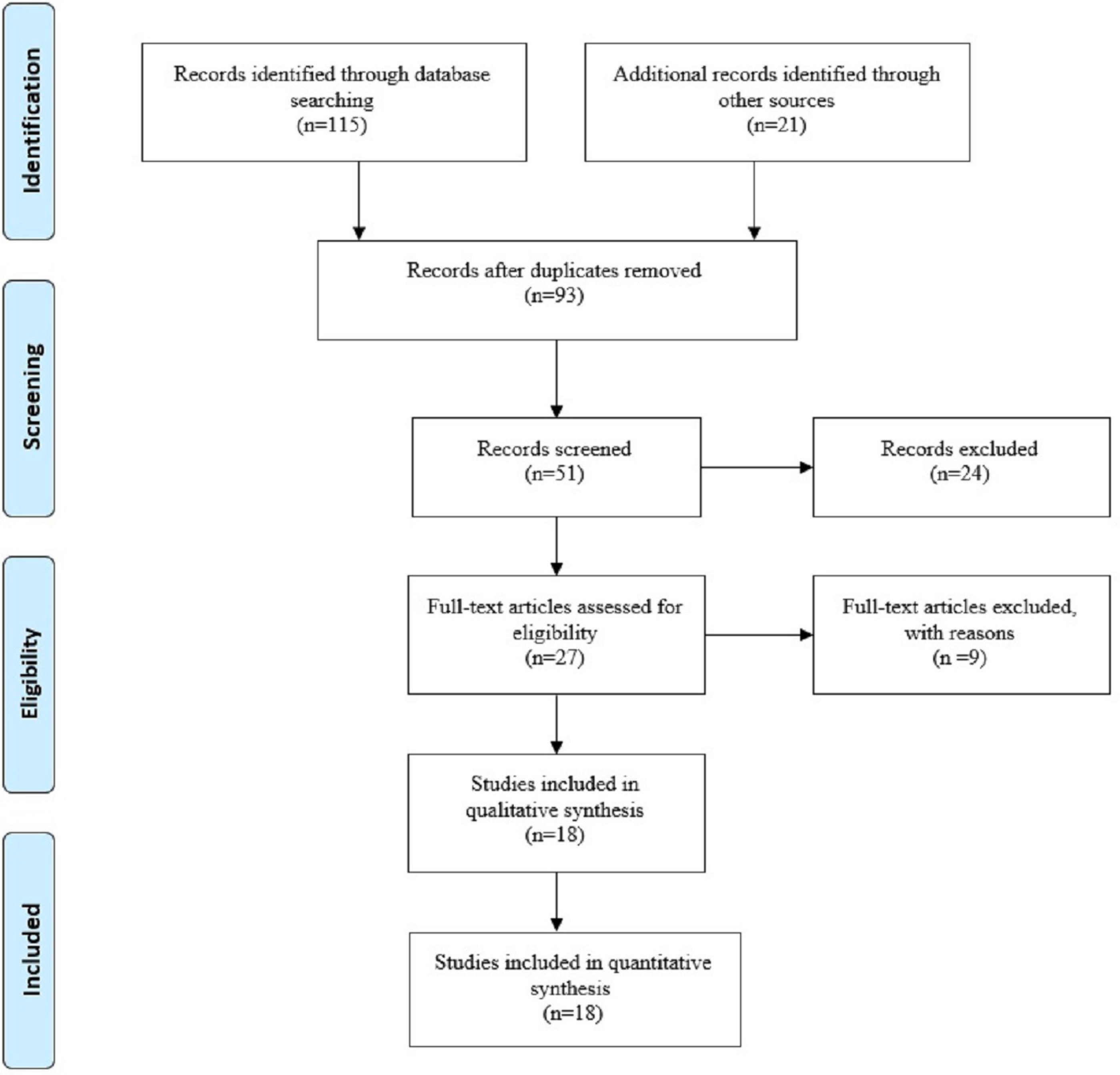
Fig. 1.
Representation of the Search Strategy Based on PRISMA Flow Diagram
.
Representation of the Search Strategy Based on PRISMA Flow Diagram
3. Results and Discussion
3.1. Air Pollution
The capacity of the environment to survive and the health of humans and other organisms are all gravely challenged by the rise in air pollution that has happened in recent years as a result of economic expansion and the remarkable advancement of human communities (25). PM and polluting gases in the environment resulting from the overuse of petroleum and coal, the use of secondhand automobiles, and indifference to solutions for reducing and regulating emission levels from manufacturing facilities and factories lead to challenges for both the economic development of a country and health of people and their communities (26). The term “air pollution” implies the accumulation of tiny solids as well as liquids and harmful gases in the air that occur at levels that are dangerous to both people and the environment (27). Hazardous substances affect the environment as a result of natural events and human activities and have negative effects on both human well-being and the environment, which can cause extensive apprehension in human communities. The Environmental Protection Agency (EPA) established standards for 6 common contaminants that are monitored daily by air quality monitoring stations: carbon monoxide, lead, nitrogen oxides, sulfur dioxide, fine particulates, and ozone. The inhalation of dangerous air pollution particles results in thousands of deaths annually. Air contaminants that are inhaled can have immediate as well as long-term impacts on human well-being, organs, and various parts of the body. These contaminants include nitrogen oxides, carbon monoxide, sulfur dioxide, organic volatile compounds, ozone, toxic metals like lead, and particle matter (28). Airborne pollutants can have both immediate and long-lasting impacts on human well-being through multiple mechanisms. The extent of the effects varies among people with disabilities, with certain groups being more prone to the negative consequences of contaminated air. Therefore, children, the elderly, pregnant women, and those with previous medical histories are particularly susceptible to the negative effects of air pollution. Being exposed to primary pollutants, such as hydrocarbons, carbon monoxide, nitrogen dioxide, and others, that are emitted directly from pollution sources can cause various adverse impacts on human well-being and the environment (29). Among the majority of contaminants, dust is categorized as a secondary pollutant. It develops when ultraviolet (UV) radiation from sunlight, humidity, and photochemical processes such as hydrolysis and oxidation combine with the primary contaminants, ozone, sulfur dioxide, and nitric acid. The cause of pollutants differs based on their classification, with some being natural and others being created by humans. Pollutants come from both fixed (like petrochemical, chemical, and power plants) and dynamic (like automobiles, aircraft, and trains) origins (30). The main sources of hazardous air pollution are shown in Fig. 2.
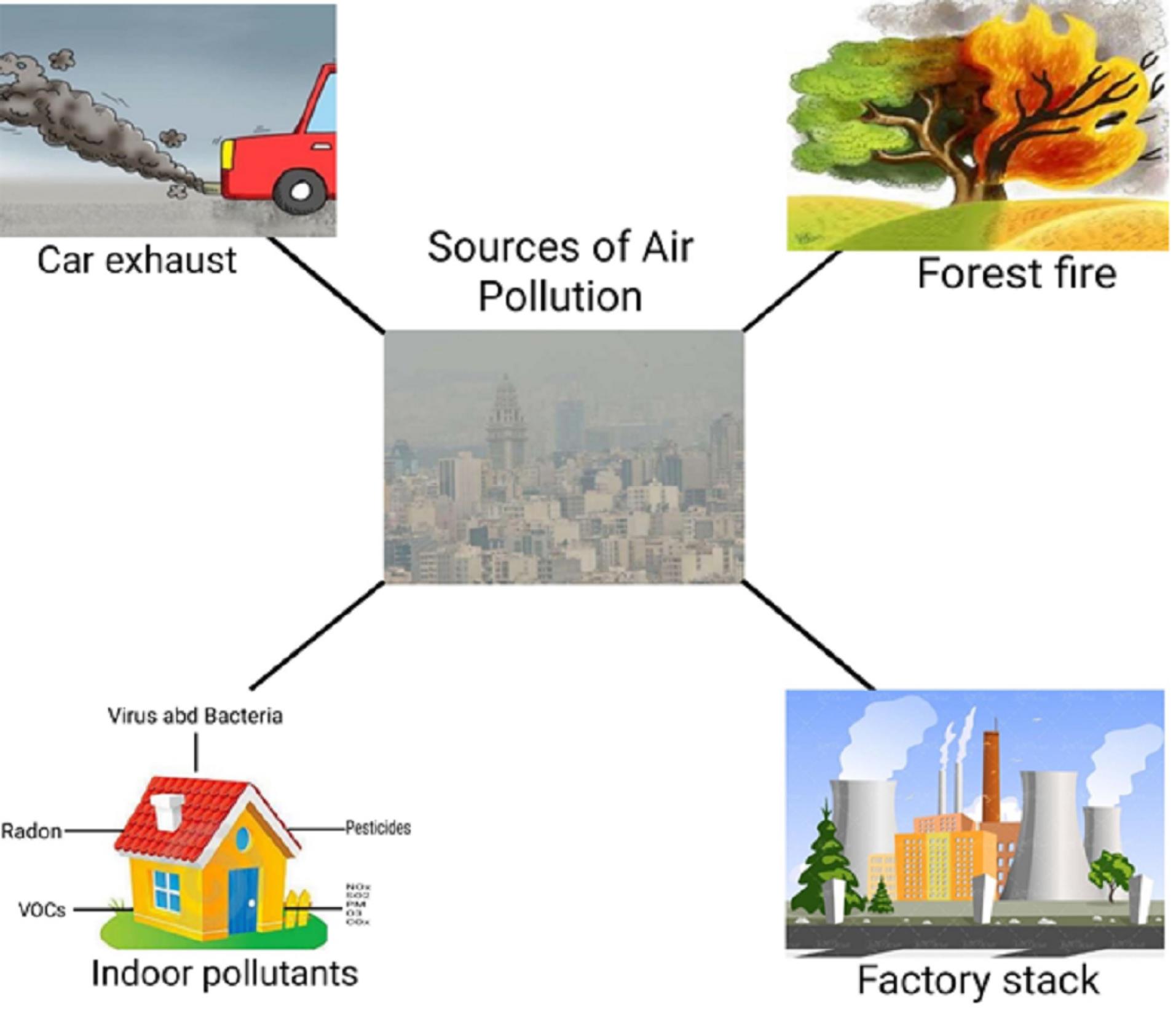
Fig. 2.
Sources of Toxic Air Pollutants
.
Sources of Toxic Air Pollutants
3.2. Diabetes
There are various mechanisms in the human body, proper functioning of which creates a state of complete health and maintains it in the person. Given that hormones play a key role in all biological processes as chemical transporters, disrupting their function can have many unpleasant consequences (31). Chronic diabetes is a disease that occurs due to high blood glucose levels caused by insufficient insulin production or the inability of the body to properly use this hormone, which is responsible for controlling blood sugar. In this case, glucose, which is used as the main source of energy, accumulates in the blood and does not reach the cells (18). The most common types of diabetes are type 1 diabetes, type 2 diabetes, and gestational diabetes. In type 1 diabetes, which is an autoimmune disease, the immune system mistakenly attacks and kills the insulin-producing beta cells in the pancreas for some reasons (32). People with this type of diabetes experience a wide range of symptoms, such as increased thirst (polydipsia), unwanted weight loss, frequent urination, blurred vision, fatigue, and mood swings, and need daily insulin injections, which is why diabetes is called insulin-dependent (33,34). In type 2 or non-insulin dependent diabetes, the body does not use the available insulin properly, which is mostly due to an unhealthy diet full of sugar and inactivity, especially in the elderly. Type 2 diabetes is the most common type of the disease, which is associated with symptoms including increased hunger, polydipsia, increased urination, blurred vision, and ulcers that heal slowly (due to elevated blood glucose levels and recurrent infections) (34). In this type of disease, fat cells, muscles, and liver do not use insulin well, which is why less glucose enters the cells. Initially, due to the need for more cells, the pancreas tries to increase the amount of insulin secretion, forcing the cells to consume more glucose, but it can last longer. Obesity and lack of physical activity increase the risk of developing type 2 diabetes (35). The third most common type of diabetes is gestational diabetes, which is hyperglycemia with higher than normal blood glucose levels but less than the diagnostic values of diabetes and often occurs in women who are overweight during pregnancy (36). This type of diabetes, which is the result of hormonal changes during pregnancy, is diagnosed through prenatal screening and usually disappears after the baby is born, but the baby will be at risk for type 2 diabetes (37). Diabetes is a disease that affects the ability of the body to produce or use insulin to convert glucose into energy, so it can be effectively managed and controlled when it is diagnosed early. However, diabetes can lead to potential complications that include heart disease, stroke, kidney damage, and nerve damage if left untreated (38).
3.3. Complications of Diabetes on Various Organs
Usually, after eating and drinking, the body breaks down the sugar in food and uses it to produce energy in the cells. The pancreas needs to produce insulin to perform the processes of extracting sugar from the blood and sending it to the cells for use and production of energy. Patients with diabetes have many problems in the implementation of these mechanisms that affect important parts of the body system and organs (39). Fig. 3 shows the impact of diabetes on various organs.
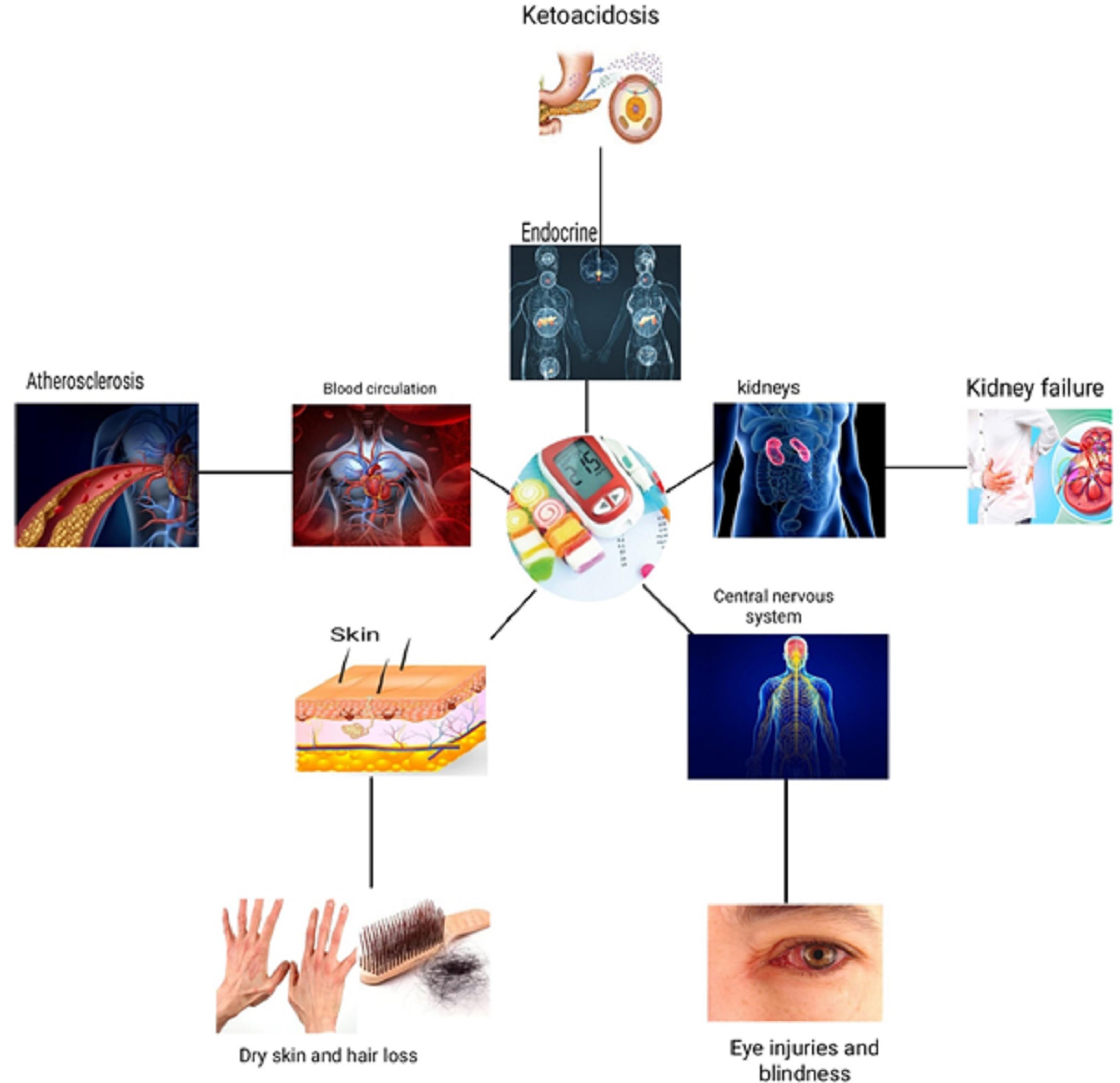
Fig. 3.
Effects of Diabetes on Various Organs
.
Effects of Diabetes on Various Organs
3.4. Endocrine, Excretory, and Digestive Systems
When the body is unable to use the insulin secreted by the pancreas for some reasons or the amount of hormone produced is not enough, alternative hormones are used to convert fat into energy. These hormones can produce high levels of toxic chemicals, including acids and ketones, which can lead to diabetic ketoacidosis with symptoms including excessive urination and fatigue (40). High blood sugar and high levels of ketones in the urine can confirm ketoacidosis, which can lead to loss of consciousness and even death if left untreated. High blood sugar levels can also lead to gastroparesis (difficulty emptying the stomach) with complications such as nausea, vomiting, bloating, and heartburn (41).
3.5. Kidney Damage
Diabetes damages the small blood vessels in the kidneys, which affects the filtering of feces and waste products into the blood. As a result, the excessive accumulation of fluid in the ankles, feet, and legs can cause swelling. The protein may even be excreted by the kidneys and appear in the urine, which is called nephropathy (42). In general, the amount of albumin excreted in the urine of a healthy person is very small and its increase is a sign of kidney damage and dysfunction, which can be followed only by urinalysis; therefore, albumin is tested annually in diabetics. When the excretion of albumin due to kidney damage exceeds 300 mg in the urine within 24 hours, it will gradually lead to kidney failure over a long period in individuals with uncontrolled diabetes (43). When kidney failure occurs, during the increase of urea and creatinine in the patient’s blood, the activity of the kidneys to eliminate toxins from the body gradually decreases to the point that the person needs dialysis and kidney transplantation due to kidney dysfunction and failure. In addition to diabetes, a person with kidney failure is more prone to consequences, including eye, heart, and cardiovascular damage, which can make treatment more difficult and drastically reduce their quality of life (44).
3.6. Circulatory System
Diabetes increases the risk of high blood pressure, which increases the pressure on the heart and increases the amount of glucose in the blood. As a result, fat builds up in the walls of the arteries, which restricts blood circulation and increases the risk of atherosclerosis over time (45). In this disease, the walls of the blood vessels thicken and as a result of the narrowing of the blood flow, which usually occurs in the arteries around the heart, not enough oxygen reaches the organs, resulting in problems such as hair loss, weak and thin hair, brittle nails, and pale skin. When the blood flow is compromised, it gradually affects the limbs, so that the narrowing of the arteries in the limbs causes a feeling of pain when walking, which is called intermittent limping. This condition can also lead to peripheral nephropathy (decreased sense of touch in the fingers and toes) or increase the risk of amputation as a result of poor blood circulation and damage to the nerves in the foot (46).
3.7. Skin
Diabetes can also affect the largest organ in the body, the skin. Decreased body moisture due to high blood sugar, along with dehydration, can cause dry skin and cracking of the feet, which can lead to fungal and bacterial activity and infection between the toes and corners of the mouth, with symptoms including redness, blisters, and itching (47,48). Excessive pressure under the feet can also lead to calluses, which can become infected, increasing the risk of amputation. Inflammation, folliculitis (infection of the hair follicles), cilia, and nail infections are other skin complications of diabetes that are usually eliminated by controlling blood sugar (49,50).
3.8. Central Nervous System
Diabetes can lead to diabetic neuropathy or nerve damage (51). This condition can affect the sensation of heat, cold, and pain in the legs and make the patient’s body prone to various injuries and wounds (52). Diabetes can also cause swelling of the blood vessels in the eyes, called diabetic retinopathy, and can progress to the point where it can damage vision or even cause blindness (53).
3.9. Air Pollution and its Effects on Diabetes
According to previous studies, many people die every year due to the inhalation of toxic pollutants created by the daily development of industries and the expansion of power plants and their destructive effects on various vital organs. Inhaled pollutants enter the body through the bloodstream after crossing the immune system barrier and entering the lower respiratory tract, and after reaching the organs through various mechanisms, they disrupt the proper functioning of that organ and cause a variety of diseases including asthma and allergies, chronic obstructive pulmonary disease, infertility, stillbirth, heart attacks, stroke, diabetes, various cancers (blood, lung, pancreas, and breast), and eventually death (54). In recent years, various studies have been conducted on the risk factors for diabetes, the results of which show the impact of various genetic and environmental factors such as air pollution on the disease (55). The exact mechanism of the link between air pollution and diabetes has not yet been fully understood. However, scientists believe that some pollutants can enter the bloodstream after respiration and react with organs and tissues (55,56). These interactions ultimately result in the proper functioning of internal organs. It can also disrupt the pancreas, which is responsible for producing insulin (57).
3.10. Air Pollution and Impaired Glucose Metabolism
Among environmental factors, in addition to a sedentary lifestyle and obesity, air pollution can cause mild insulin resistance and impair glucose metabolism by causing mild inflammatory reactions and hormonal dysfunction. Air pollution can also cause insulin resistance in cells by exacerbating inflammation and tissue swelling (58,59). Air pollution also affects glucose control. Air pollution stimulates systemic allergic and inflammatory reactions, causing immune and autonomic responses, and increasing cortisol secretion, weight gain, increased appetite, decreased fat metabolism, and high blood sugar level. Finally, it can cause blood sugar fluctuations and affect blood sugar control (60).
3.11. Air Pollution-Related Heart Disease and Diabetes
In some cases, air pollution affects the cardiovascular system and changes the heart rate, causing inflammation, endothelial dysfunction, and prothrombotic changes. During these disorders, with the death of insulin-producing cells (these cells are very sensitive to environmental pollutants), the production of insulin in the body decreases or affects other organs, and reducing their sensitivity to insulin eventually leads to diabetes (61). Long-lasting exposure to air pollutants has additionally been proven to impact the regulation of glucose levels in the body. A study of a group of Chinese people showed that an interquartile range increase of 41.1 μg/m3 in PM2.5 was significantly associated with increased levels of fasting blood glucose (an elevated level of 0.26 mmol/L) and HbA1c (a rise of 0.08%) (62).
3.12. Dust and Diabetes
Dust particles, which are among the most important components of air pollution, can cause stress. The production of free radicals in the body increases and the conditions for a person to develop diabetes are provided. Therefore, air pollution, even at levels that are considered safe, is associated with an increased risk of diabetes in people (63). Given that heavy metals such as Cd, Zn, Pb, Cu, and Ni can bind to the surface of PM and cause adverse effects when inhaled, scientists are investigating the important role of minor components, heavy metals, and metal ions (such as Se or Ar) in the increased prevalence of type 1 diabetes mellitus (T1DM) (64). Alghobashy et al revealed that the diabetic group had notably lower blood concentrations of Se, Zn, Mg, and Cu compared to the control group (64). These results are consistent with the findings of Özenç et al, who reported decreased levels of serum Se and Zn and normal levels of blood Cu in children with type 1 diabetes (T1D) in comparison with the control group (65).
3.13. Diagnosis of Diabetes
Diabetes can be diagnosed by a specialist based on plasma glucose concentration (fasting or two-hour plasma glucose), which measures pancreatic function and insulin secretion (66). A fasting blood sugar level of 100-125 indicates latent diabetes, and if the number is 126 or higher, it indicates type 2 diabetes. In a two-hour blood glucose test, the amount of glucose in the blood is measured after drinking the glucose solution. A blood sugar level of 140-199 mg/dL indicates latent diabetes, and a blood sugar level of 200 mg/dL or higher indicates diabetes (67).
3.14. Heavy Metals and Diabetes
Heavy metals are naturally occurring elements that have high atomic weights and densities, nearly five times higher than that of water. Metal ions are necessary for a variety of physiological functions. According to a previous study, variations in these metal levels hurt well-being, such as islet inflammation that can induce diabetes. However, certain heavy metals, such as Cd, Ni, Hg, As, and Pb, have high levels of toxicity that can harm human health (22). Several hazardous metals were found to affect glucose absorption as well as glucose control in patients with T2DM. The level of heavy metals in people with diabetes compared with non-diabetic controls has been measured in several studies (23). Metals like Fe, Zn, and Mn perform critical biological functions. As, Cd, Pb, and Hg buildup in the body is dangerous. Industrial, medicinal, and agricultural activities have resulted in the accumulation of these dangerous chemicals in the environment, including air, water, and soil (68). High concentrations of heavy minerals are related to diabetes, nevertheless, their root cause is unknown. Laboratory tests indicate that patients with diabetes have low levels of Zn, Mn, and Cr but high levels of Cd and iron (69). Several studies associate a metal ion imbalance with diabetes due to its impact on pancreatic cells. One heavy metal associated with glycolysis is As. During aminolysis, As replaces ionic phosphorus with arsenate to hinder glycolysis ATP generation. As bonds readily to -SH. It leads insulin molecules and receptors to generate a covalent bond, degrading their activities. As can hinder the release of insulin by generating reacting free oxygen radicals in tissues (23). Uncoupling protein-2 (UCP2) controls the release of insulin and causes the inner membrane of the mitochondrial protons to leak. Research indicates that the superoxide-UCP2 pathway could impede releasing insulin via pancreatic β cells. Metals such as As may generate oxidants. A rise in superoxide levels in β cells reduces insulin production. Cd can limit glycolysis in the liver and muscles by inhibiting phosphofructokinase activity (70).
4. Conclusion
In this study, the relationship between long-term exposure to toxic air pollutants (heavy metals, benzene, polycyclic aromatic hydrocarbons, nitrogen oxides, sulfur dioxide, hydrocarbons, particulate matter, and ozone) and the increased risk of diabetes was investigated. The results of the study proved that toxic air pollutants have a synergistic effect on increased rates of diabetes that occur in different age groups among humans. The most important activities that reduce the emission of harmful air pollutants are the use of environmentally friendly processes in heavy industries (oil, gas, petrochemicals, and steel), the replacement of conventional vehicles with hybrid and electric vehicles, an increase per capita green space, development of public transportation, and raising public awareness that can play a very effective role in reducing the effects of dangerous pollutants on public health, especially the risk of diabetes.
Acknowledgments
The authors are grateful to Ahvaz Jundishapur University of Medical Sciences for providing the necessary facilities to perform this research.
Competing Interests
The authors declare that they have no conflict of interests.
Consent to Participate
Not applicable.
Data Availability Statement
The datasets used and/or analyzed during the current study are available from the corresponding author upon reasonable request.
Ethical Approval
Not applicable.
Funding
This study was not financially supported.
Informed Consent
Not applicable.
References
- Omidi Khaniabadi Y, Daryanoosh SM, Amrane A, Polosa R, Hopke PK, Goudarzi G. Impact of Middle Eastern dust storms on human health. Atmos Pollut Res 2017; 8(4):606-13. doi: 10.1016/j.apr.2016.11.005 [Crossref] [ Google Scholar]
- Goudarzi G, Geravandi S, Foruozandeh H, Babaei AA, Alavi N, Vosoughi Niri M. Cardiovascular and respiratory mortality attributed to ground-level ozone in Ahvaz, Iran. Environ Monit Assess 2015; 187(8):487. doi: 10.1007/s10661-015-4674-4 [Crossref] [ Google Scholar]
- Khaefi M, Geravandi S, Hassani G, Yari AR, Soltani F, Dobaradaran S. Association of particulate matter impact on prevalence of chronic obstructive pulmonary disease in Ahvaz, southwest Iran during 2009-2013. Aerosol Air Qual Res 2017; 17(1):230-7. doi: 10.4209/aaqr.2015.11.0628 [Crossref] [ Google Scholar]
- Leman MA, Claramita M, Rahayu GR. Predicting factors on modeling health behavior: a systematic review. Am J Health Behav 2021; 45(2):268-78. doi: 10.5993/ajhb.45.2.7 [Crossref] [ Google Scholar]
- Karamali F, Hoseindoost G, Mostafaii G, Mousavi G, Sharafati Chaleshtori R. Carcinogenic, non-carcinogenic and dermal sensitization risk assessment of heavy metals in liquid and solid lipsticks highly used in Kashan, Iran. J Chem Health Risks 2021; 11(4):437-49. [ Google Scholar]
- Geravandi S, Sicard P, Omidi Khaniabadi Y, De Marco A, Ghomeishi A, Goudarzi G. A comparative study of hospital admissions for respiratory diseases during normal and dusty days in Iran. Environ Sci Pollut Res Int 2017; 24(22):18152-9. doi: 10.1007/s11356-017-9270-4 [Crossref] [ Google Scholar]
- Goudarzi G, Geravandi S, Mohammadi MJ, Saeidimehr S, Ghomeishi A, Salmanzadeh S. Health endpoints caused by PM10 exposure in Ahvaz, Iran. Iran J Health Saf Environ 2014; 1(4):159-65. [ Google Scholar]
- Momtazan M, Geravandi S, Rastegarimehr B, Valipour A, Ranjbarzadeh A, Yari AR. An investigation of particulate matter and relevant cardiovascular risks in Abadan and Khorramshahr in 2014-2016. Toxin Rev 2019; 38(4):290-7. doi: 10.1080/15569543.2018.1463266 [Crossref] [ Google Scholar]
- Yousefi H, Lak E, Mohammadi MJ, Shahriyari HA. Carcinogenic risk assessment among children and adult due to exposure to toxic air pollutants. Environ Sci Pollut Res Int 2022; 29(16):23015-25. doi: 10.1007/s11356-021-17300-0 [Crossref] [ Google Scholar]
- Dastoorpoor M, Sekhavatpour Z, Masoumi K, Mohammadi MJ, Aghababaeian H, Khanjani N. Air pollution and hospital admissions for cardiovascular diseases in Ahvaz, Iran. Sci Total Environ 2019; 652:1318-30. doi: 10.1016/j.scitotenv.2018.10.285 [Crossref] [ Google Scholar]
- Goudarzi G, Geravandi S, Naimabadi A, Mohammadi MJ, Neisi K, Taghavirad SS. Cardiovascular deaths related to Carbon monoxide Exposure in Ahvaz, Iran. Iran J Health Saf Environ 2014; 1(3):126-31. [ Google Scholar]
- Goudarzi G, Geravandi S, Alavi N, Idani E, Salmanzadeh S, Yari AR. Association between cancer risk and polycyclic aromatic hydrocarbons’ exposure in the ambient air of Ahvaz, southwest of Iran. Int J Biometeorol 2018; 62(8):1461-70. doi: 10.1007/s00484-018-1543-1 [Crossref] [ Google Scholar]
- Group NDD, Diabetes NIo, Diseases K. Diabetes in America. National Institutes of Health, National Institute of Diabetes and Digestive and Kidney Diseases; 1995.
- Sowndarya K, Joseph JA, Shenoy A, Hegde A. Evaluation of triglyceride/high-density lipoprotein ratio as a surrogate marker for insulin resistance in healthy young males. J Nat Sci Biol Med 2021; 12:213-7. doi: 10.4103/jnsbm.JNSBM_193_20 [Crossref] [ Google Scholar]
- American Diabetes Association. Gestational diabetes mellitus. Diabetes Care 2004; 27 Suppl 1:S88-90. doi: 10.2337/diacare.27.2007.s88 [Crossref] [ Google Scholar]
- Paul R, Mukkadan J. Modulation of blood glucose, oxidative stress, and anxiety level by controlled vestibular stimulation in prediabetes. J Nat Sci Biol Med 2020; 11(2):111-7. doi: 10.4103/jnsbm.JNSBM_205_19 [Crossref] [ Google Scholar]
- Nasrabadi H, Nikraftar F, Gholami M, Mahmoudirad G. Effect of family-centered empowerment model on eating habits, weight, hemoglobin A1C, and blood glucose in Iranian patients with type 2 diabetes. Evid Based Care 2021; 11(1):25-34. doi: 10.22038/ebcj.2021.57110.2493 [Crossref] [ Google Scholar]
- Papatheodorou K, Banach M, Bekiari E, Rizzo M, Edmonds M. Complications of diabetes 2017. J Diabetes Res 2018; 2018:3086167. doi: 10.1155/2018/3086167 [Crossref] [ Google Scholar]
- Tamayo T, Rosenbauer J, Wild SH, Spijkerman AM, Baan C, Forouhi NG. Diabetes in Europe: an update. Diabetes Res Clin Pract 2014; 103(2):206-17. doi: 10.1016/j.diabres.2013.11.007 [Crossref] [ Google Scholar]
- Bilous R, Donnelly R, Idris I. Handbook of Diabetes. John Wiley & Sons; 2021.
- Tchounwou PB, Yedjou CG, Patlolla AK, Sutton DJ. Heavy metal toxicity and the environment. Exp Suppl 2012; 101:133-64. doi: 10.1007/978-3-7643-8340-4_6 [Crossref] [ Google Scholar]
- Lachowicz JI, Lecca LI, Meloni F, Campagna M. Metals and metal-nanoparticles in human pathologies: from exposure to therapy. Molecules 2021; 26(21):6639. doi: 10.3390/molecules26216639 [Crossref] [ Google Scholar]
- Khan AR, Awan FR. Metals in the pathogenesis of type 2 diabetes. J Diabetes Metab Disord 2014; 13(1):16. doi: 10.1186/2251-6581-13-16 [Crossref] [ Google Scholar]
- Ji JH, Jin MH, Kang JH, Lee SI, Lee S, Kim SH. Relationship between heavy metal exposure and type 2 diabetes: a large-scale retrospective cohort study using occupational health examinations. BMJ Open 2021; 11(3):e039541. doi: 10.1136/bmjopen-2020-039541 [Crossref] [ Google Scholar]
- Ritchie H, Roser M. Outdoor Air Pollution. Our World in Data. 2019.
- Loomis D, Grosse Y, Lauby-Secretan B, El Ghissassi F, Bouvard V, Benbrahim-Tallaa L. The carcinogenicity of outdoor air pollution. Lancet Oncol 2013; 14(13):1262-3. doi: 10.1016/s1470-2045(13)70487-x [Crossref] [ Google Scholar]
- Glencross DA, Ho TR, Camiña N, Hawrylowicz CM, Pfeffer PE. Air pollution and its effects on the immune system. Free Radic Biol Med 2020; 151:56-68. doi: 10.1016/j.freeradbiomed.2020.01.179 [Crossref] [ Google Scholar]
- Turner MC, Andersen ZJ, Baccarelli A, Diver WR, Gapstur SM, Pope CA 3rd. Outdoor air pollution and cancer: an overview of the current evidence and public health recommendations. CA Cancer J Clin 2020; 70(6):460-79. doi: 10.3322/caac.21632 [Crossref] [ Google Scholar]
- Bascom R, Bromberg PA, Costa DL, Devlin R, Dockery DW, Frampton MW. Health effects of outdoor air pollution. Am J Respir Crit Care Med 1996; 153(2):477-98. doi: 10.1164/ajrccm.153.2.8564086 [Crossref] [ Google Scholar]
- Tainio M, Jovanovic Andersen Z, Nieuwenhuijsen MJ, Hu L, de Nazelle A, An R. Air pollution, physical activity and health: a mapping review of the evidence. Environ Int 2021; 147:105954. doi: 10.1016/j.envint.2020.105954 [Crossref] [ Google Scholar]
- Deshpande AD, Harris-Hayes M, Schootman M. Epidemiology of diabetes and diabetes-related complications. Phys Ther 2008; 88(11):1254-64. doi: 10.2522/ptj.20080020 [Crossref] [ Google Scholar]
- Holt RI, Cockram CS, Flyvbjerg A, Goldstein BJ. Textbook of Diabetes. John Wiley & Sons; 2017.
- Eisenbarth GS. Type I diabetes mellitus A chronic autoimmune disease. N Engl J Med 1986; 314(21):1360-8. doi: 10.1056/nejm198605223142106 [Crossref] [ Google Scholar]
- DiMeglio LA, Evans-Molina C, Oram RA. Type 1 diabetes. Lancet 2018; 391(10138):2449-62. doi: 10.1016/s0140-6736(18)31320-5 [Crossref] [ Google Scholar]
- Astrup A, Finer N. Redefining type 2 diabetes: ‘diabesity’ or ‘obesity dependent diabetes mellitus’?. Obes Rev 2000; 1(2):57-9. doi: 10.1046/j.1467-789x.2000.00013.x [Crossref] [ Google Scholar]
- Bougherara L, Hanssens S, Subtil D, Vambergue A, Deruelle P. Diabetes gestacional. EMC Ginecología-Obstetricia 2018; 54(1):1-11. doi: 10.1016/s1283-081x(18)88086-9 [Crossref] [ Google Scholar]
- Goyal R, Jialal I. Diabetes mellitus type 2. 2018. Goyal R, Singhal M, Jialal I. Type 2 diabetes. In: StatPearls [Internet]. Treasure Island, FL: StatPearls Publishing. 2025.
- Papatheodorou K, Papanas N, Banach M, Papazoglou D, Edmonds M. Complications of diabetes 2016. J Diabetes Res 2016; 2016:6989453. doi: 10.1155/2016/6989453 [Crossref] [ Google Scholar]
- Rubin RR, Peyrot M. Quality of life and diabetes. Diabetes Metab Res Rev 1999; 15(3):205-18. doi: 10.1002/(sici)1520-7560(199905/06)15:3<205::aid-dmrr29>3.0.co;2-o [Crossref] [ Google Scholar]
- Greco DS, Harpold LM. Immunity and the endocrine system. Vet Clin North Am Small Anim Pract 1994; 24(4):765-82. doi: 10.1016/s0195-5616(94)50083-4 [Crossref] [ Google Scholar]
- Alrefai H, Allababidi H, Levy S, Levy J. The endocrine system in diabetes mellitus. Endocrine 2002; 18(2):105-19. doi: 10.1385/endo:18:2:105 [Crossref] [ Google Scholar]
- Chadban SJ, Briganti EM, Kerr PG, Dunstan DW, Welborn TA, Zimmet PZ. Prevalence of kidney damage in Australian adults: the AusDiab kidney study. J Am Soc Nephrol 2003; 14(7 Suppl 2):S131-8. doi: 10.1097/01.asn.0000070152.11927.4a [Crossref] [ Google Scholar]
- Kramer H, Molitch ME. Screening for kidney disease in adults with diabetes. Diabetes Care 2005; 28(7):1813-6. doi: 10.2337/diacare.28.7.1813 [Crossref] [ Google Scholar]
- Levey AS, Astor BC, Stevens LA, Coresh J. Chronic kidney disease, diabetes, and hypertension: what’s in a name?. Kidney Int 2010; 78(1):19-22. doi: 10.1038/ki.2010.115 [Crossref] [ Google Scholar]
- Hirsch IB, Paauw DS, Brunzell J. Inpatient management of adults with diabetes. Diabetes Care 1995; 18(6):870-8. doi: 10.2337/diacare.18.6.870 [Crossref] [ Google Scholar]
-
D’Souza MJ, Li RC, Gannon ML, Wentzien DE. 1997-2017 Leading causes of death information due to diabetes, neoplasms, and diseases of the circulatory system, issues cautionary weight-related lesson to the US Population at Large. In: 2019 International Conference on Engineering, Science, and Industrial Applications (ICESI). Tokyo: IEEE. 2019. p. 1-6. doi: 10.1109/icesi.2019.8863033.
- Oumeish OY. Skin disorders in patients with diabetes. Clin Dermatol 2008; 26(3):235-42. doi: 10.1016/j.clindermatol.2007.10.015 [Crossref] [ Google Scholar]
- Gkogkolou P, Böhm M. [Skin disorders in diabetes mellitus]. J Dtsch Dermatol Ges 2014; 12(10):847-64. doi: 10.1111/ddg.12424_suppl.[German] [Crossref] [ Google Scholar]
- Oguntibeju OO. Type 2 diabetes mellitus, oxidative stress and inflammation: examining the links. Int J Physiol Pathophysiol Pharmacol 2019; 11(3):45-63. [ Google Scholar]
- Guy R. Diagnostic devices: managing diabetes through the skin. Nat Nanotechnol 2016; 11(6):493-4. doi: 10.1038/nnano.2016.53 [Crossref] [ Google Scholar]
- Mooradian AD. Central nervous system complications of diabetes mellitus--a perspective from the blood-brain barrier. Brain Res Brain Res Rev 1997; 23(3):210-8. doi: 10.1016/s0165-0173(97)00003-9 [Crossref] [ Google Scholar]
- Writing Team for the Diabetes Control and Complications Trial/Epidemiology of Diabetes Interventions and Complications Research Group. Sustained effect of intensive
treatment of type 1 diabetes mellitus on development and progression of diabetic nephropathy: the Epidemiology of Diabetes Interventions and Complications (EDIC) study. JAMA. 2003;290(16):2159-67. doi: 10.1001/jama.290.16.2159.
- Mooradian AD. Diabetic complications of the central nervous system. Endocr Rev 1988; 9(3):346-56. doi: 10.1210/edrv-9-3-346 [Crossref] [ Google Scholar]
- Rajagopalan S, Brook RD. Air pollution and type 2 diabetes: mechanistic insights. Diabetes 2012; 61(12):3037-45. doi: 10.2337/db12-0190 [Crossref] [ Google Scholar]
- Rao X, Montresor-Lopez J, Puett R, Rajagopalan S, Brook RD. Ambient air pollution: an emerging risk factor for diabetes mellitus. Curr Diab Rep 2015; 15(6):603. doi: 10.1007/s11892-015-0603-8 [Crossref] [ Google Scholar]
- Cho J, Choi YJ, Suh M, Sohn J, Kim H, Cho SK. Air pollution as a risk factor for depressive episode in patients with cardiovascular disease, diabetes mellitus, or asthma. J Affect Disord 2014; 157:45-51. doi: 10.1016/j.jad.2014.01.002 [Crossref] [ Google Scholar]
- Eze IC, Hemkens LG, Bucher HC, Hoffmann B, Schindler C, Künzli N. Association between ambient air pollution and diabetes mellitus in Europe and North America: systematic review and meta-analysis. Environ Health Perspect 2015; 123(5):381-9. doi: 10.1289/ehp.1307823 [Crossref] [ Google Scholar]
- Teichert T, Vossoughi M, Vierkötter A, Sugiri D, Schikowski T, Schulte T. Association between traffic-related air pollution, subclinical inflammation and impaired glucose metabolism: results from the SALIA study. PLoS One 2013; 8(12):e83042. doi: 10.1371/journal.pone.0083042 [Crossref] [ Google Scholar]
- Lucht S, Hennig F, Moebus S, Führer-Sakel D, Herder C, Jöckel KH. Air pollution and diabetes-related biomarkers in non-diabetic adults: a pathway to impaired glucose metabolism?. Environ Int 2019; 124:370-92. doi: 10.1016/j.envint.2019.01.005 [Crossref] [ Google Scholar]
- Chih AH, Jan CF, Shu SG, Lue BH. Self-efficacy affects blood sugar control among adolescents with type I diabetes mellitus. J Formos Med Assoc 2010; 109(7):503-10. doi: 10.1016/s0929-6646(10)60084-8 [Crossref] [ Google Scholar]
- Barrett-Connor E, Wingard D, Wong N, Goldberg R. Heart disease and diabetes. 2021. Barrett-Connor E, Wingard D, Wong N, Goldberg R. Heart disease and diabetes. In: Cowie CC, Casagrande SS, Menke A, Cissell MA, Eberhardt MS, Meigs JB, et al, eds. Diabetes in America. 3rd ed. Bethesda, MD: National Institute of Diabetes and Digestive and Kidney Diseases (US). 2018.
- Liu C, Yang C, Zhao Y, Ma Z, Bi J, Liu Y. Associations between long-term exposure to ambient particulate air pollution and type 2 diabetes prevalence, blood glucose and glycosylated hemoglobin levels in China. Environ Int 2016; 92-93:416-21. doi: 10.1016/j.envint.2016.03.028 [Crossref] [ Google Scholar]
- Chan YS, Teng JC, Liu TC, Peng YI. Asian dust storms and diabetes hospitalization: a nationwide population-based study. Air Qual Atmos Health 2018; 11(10):1243-50. doi: 10.1007/s11869-018-0623-z [Crossref] [ Google Scholar]
- Alghobashy AA, Alkholy UM, Talat MA, Abdalmonem N, Zaki A, Ahmed IA. Trace elements and oxidative stress in children with type 1 diabetes mellitus. Diabetes Metab Syndr Obes 2018; 11:85-92. doi: 10.2147/dmso.S157348 [Crossref] [ Google Scholar]
- Özenç S, Saldir M, Sarı E, Çetinkaya S, Yeşilkaya Ş, Babacan O. Selenium, zinc, and copper levels and their relation with HbA1c status in children with type 1 diabetes mellitus. Int J Diabetes Dev Ctries 2015; 35(4):514-8. doi: 10.1007/s13410-015-0327-y [Crossref] [ Google Scholar]
- Bullard KM, Cowie CC, Lessem SE, Saydah SH, Menke A, Geiss LS. Prevalence of diagnosed diabetes in adults by diabetes type - United States, 2016. MMWR Morb Mortal Wkly Rep 2018; 67(12):359-61. doi: 10.15585/mmwr.mm6712a2 [Crossref] [ Google Scholar]
- Nathan DM. Diabetes: advances in diagnosis and treatment. JAMA 2015; 314(10):1052-62. doi: 10.1001/jama.2015.9536 [Crossref] [ Google Scholar]
- Jaishankar M, Tseten T, Anbalagan N, Mathew BB, Beeregowda KN. Toxicity, mechanism and health effects of some heavy metals. Interdiscip Toxicol 2014; 7(2):60-72. doi: 10.2478/intox-2014-0009 [Crossref] [ Google Scholar]
- Wolide AD, Zawdie B, Alemayehu T, Tadesse S. Evaluation of serum ferritin and some metal elements in type 2 diabetes mellitus patients: comparative cross-sectional study. Diabetes Metab Syndr Obes 2016; 9:417-24. doi: 10.2147/dmso.S120326 [Crossref] [ Google Scholar]
- Affourtit C, Jastroch M, Brand MD. Uncoupling protein-2 attenuates glucose-stimulated insulin secretion in INS-1E insulinoma cells by lowering mitochondrial reactive oxygen species. Free Radic Biol Med 2011; 50(5):609-16. doi: 10.1016/j.freeradbiomed.2010.12.020 [Crossref] [ Google Scholar]