Avicenna J Environ Health Eng. 12(1):69-78.
doi: 10.34172/ajehe.5481
Case Report
Modifying the Activated Sludge Process by Constructing a Thermo-biological Method in the Returned Sludge to Remove Nutrient Substances from Wastewater
Naeim Banisaeid Conceptualization, Data curation, Formal analysis, Investigation, Methodology, Project administration, Software, Validation, Writing – original draft, 1 
Afshin Takdastan Conceptualization, Data curation, Formal analysis, Investigation, Methodology, Project administration, Software, Supervision, Validation, Visualization, 2
Mahboobeh Cheraghi Investigation, Methodology, Project administration, Supervision, Visualization, 1, *
Ali Afrous Methodology, Supervision, Visualization, 3
Reza Jalilzadeh Yengejeh Data curation, Supervision, Visualization, 1
Author information:
1Department of Environmental Engineering, Ahvaz Branch, Islamic Azad University, Ahvaz, Iran,
2Environmental Technology Research Center, Ahvaz Jundishapur University of Medical Sciences, Ahvaz, Iran
3Department of Environmental Engineering, North Tehran Branch, Islamic Azad University, Tehran, Iran
Abstract
One of the problems of wastewater disposal is the release of nitrogen and phosphorus in addition to organic and microbial substances into receiving waters, and the removal of nutrients from wastewater has become one of the main global problems because the compounds of nitrogen and phosphorus in natural aquatic environments cause eutrophication. This quantitative, sectional, and analytical research explored the use of thermo-biological methods in the return sludge line to reduce the pollution and address excessive sludge production. The research also investigated the impacts of temperature changes in the anoxic tank and the return sludge line. Results showed that the existing conventional bioreactor, with a temperature change in the return sludge to 40 °C, significantly improved total nitrogen (TN) and total phosphorus (TP) removal efficiency. Although the change in the temperature of the returned sludge increased the TN and TP removal efficiency, the removal rate was not significant, and this is despite the fact that this efficiency also decreased with increasing temperature. The study revealed a reduction in biomass production coefficient at higher return sludge temperatures, it also highlighted the negative impact on effluent quality and sludge settling capability.
Keywords: Activated sludge, Excess sludge reduction, Thermo-biological method, Nutrients removal
Copyright and License Information
© 2025 The Author(s); Published by Hamadan University of Medical Sciences.
This is an open-access article distributed under the terms of the Creative Commons Attribution License (
https://creativecommons.org/licenses/by/4.0), which permits unrestricted use, distribution, and reproduction in any medium, provided the original work is properly cited.
Please cite this article as follows: Banisaeid N, Takdastan A, Cheraghi M, Afrous A, Jalilzadeh Yengejeh R. Modifying the activated sludge process by constructing a thermo-biological method in the returned sludge to remove nutrient substances from wastewater. Avicenna J Environ Health Eng. 2025;12(1):69-78. doi:10.34172/ajehe.5481
1. Introduction
One of the environmental problems is the release of nitrogen and phosphorus in addition to organic and microbial substances into receiving waters, and the removal of nutrients from wastewater has become one of the main global problems because the compounds of nitrogen and phosphorus in natural aquatic environments cause eutrophication. The production of sludge plays a significant role in biological wastewater treatment. Both the quantity and quality of this biological sludge depend on various factors, including the characteristics of the wastewater, the treatment process utilized, and the operational conditions. It is worth noting that excess biological sludge is a major challenge in aerobic processes commonly employed for wastewater treatment (1). Since the 1990s, researchers have explored a range of technologies to minimize sludge production in treatment plants in terms of both mass and volume. These methods encompass physical, mechanical, chemical, thermal, and biological treatments, each aiming to stabilize solids, break down bacterial cells, and directly reduce sludge production by controlling treatment units. Some techniques even involve generating gas in anaerobic digesters or providing additional carbon sources to facilitate denitrification and phosphorus removal in treatment plant units (2). Several mechanisms are employed to decrease sludge production, including cellular decomposition, hidden growth, non-paired metabolism, self-metabolism, predatory bacteria, and thermal water oxidation. These mechanisms become more active as inactive solids undergo biological breakdown (2). In general, actions that can help reduce the rate of excess sludge production include: (1) self-destruction process, (2) non-paired metabolism using the oxic-settling-anaerobic (OSA) process, (3) increasing dissolved oxygen in the aeration basin, (4) oxidation of sludge by chlorine or ozone, (5) elevating the temperature of the return sludge, (6) dissipating energy through compounds resistant to degradation and toxic substances, (7) altering pH levels, (8) utilizing electric pulses in the return sludge, and (9) utilizing ultrasonic waves in the return sludge (2-8). A recent study by Fazelipour et al demonstrated promising results in reducing excess sludge. By utilizing an anoxic holding tank in the integrated fixed film activated sludge (IFAS) and OSA processes, they observed an increase in phosphorus removal by up to 27%, chemical oxygen demand (COD) removal by over 5.4%, and total suspended solids (TSS) removal by more than 10.5% compared to conventional methods. The excess sludge reduction also exceeded 45% (9). Similarly, Nikpour et al investigated the removal efficiency of pollutants and excess sludge reduction in the modified Ludzack-Ettinger (MLE) and OSA processes. Their findings revealed significant enhancements in the removal efficiency of nitrogen and phosphorus parameters compared to the conventional MLE process, demonstrating the potential of utilizing an anoxic holding tank (10). Masoumi et al showed that the use of the Fenton process could reduce the values of total solids (TS), volatile solids (VS), COD, and color in excess sludge to 50%, 61%, 53%, and 61%, respectively. In comparison with conventional methods, the Fenton process is an effective method that can be suggested to stabilize excess sludge (11). Performing actions that can allocate more of the recovered energy to the initial stage of substrate metabolism (catabolism) by wastewater treatment bacteria, thereby reducing energy allocation to the anabolism stage (cellular material synthesis), the ultimate outcome of which is reducing the biomass yield coefficient (Y) by bacteria and ultimately minimizing excess sludge production. This process is known as uncoupling metabolism. The choice of the final electron carrier molecule utilized by bacteria is influenced by various factors such as (a) the presence of certain molecules, (b) the availability of essential enzymes, and (c) the oxidation potential of wastewater or sludge. Thermal methods involve a set of actions that help reduce biological excess sludge (2,12,13). The application of heat to sludge produces various effects, such as the breakdown of its structure, separation of biological flocs, significant sludge dissolution, decomposition of bacterial cells, and the release of intracellular components and water. After thermal operations, the aqueous phase is identified by a higher content of dissolved organic compounds. Moreover, hydrolysis modifies the viscosity of the sludge significantly by separating the intracellular fluid. In the thermal treatment of sludge, 12% of dry content transforms into a liquid state, and it can be transported similar to the raw sludge with a concentration of 5% to 6% (2,14).The purpose of this study is to investigate the impact of using the thermo-biological method in the return sludge line on the efficiency of the activated sludge process in the removal of nutrients and the amount of excess sludge produced in a treatment plant with an activated sludge process of an extended aeration type and a real scale wastewater.
2. Materials and Methods
The study is a quantitative, sectional, and analytical research to examine the use of heat inside the return sludge line to decrease pollutants and reduce excess sludge production. The research was conducted in three phases at a treatment plant with a capacity of 5 m3/d. The objectives of this study were investigated by utilizing a modified activated sludge system. The first phase involved the installation of a thermal element in the existing anoxic tank. In the second phase, the modified activated sludge reactor with temperature variations in the return sludge line was upgraded and underwent examination as the system. Throughout this phase, the impact of temperature variations in the return sludge line was closely examined in order to improve organic sludge elimination and enhance overall sludge settling. Ultimately, the impact of temperature variations in the anoxic tank and return sludge line was investigated. Various methods have been utilized in this research to achieve the proposed targets. Apart from library and document reviews, the required data for research were collected according to the following steps. First, the anoxic tank was equipped with an adjustable heating element. Next, the system was launched and data were extracted. Then, the results of the current wastewater treatment plant were extracted. Finally, the results obtained by the conventional method were compared with those of the proposed one. This empirical research was carried out at a small-scale wastewater treatment plant in operation, including an anaerobic basin, anoxic basin, aeration basin, secondary settling basin, disinfection (chlorination) unit, and aerobic sludge digestion basin. The characteristics of the influent and effluent wastewater of the treatment plant under current situations are presented in Table 1, and the plan of the treatment plant and the schematic representation of the system are depicted in Figs. 1 and 2.
Table 1.
Characteristics of Influent and Effluent of WWTP Based on the Initial Design
|
Parameter
|
Unit
|
Influent
|
Effluent
|
| BOD5 |
mg/L |
3000 |
< 100 |
| COD |
mg/L |
6000 |
< 200 |
| TSS |
mg/L |
300 |
< 50 |
| TKN |
mg/L |
35 |
< 15 |
| TP |
mg/L |
9 |
< 6 |
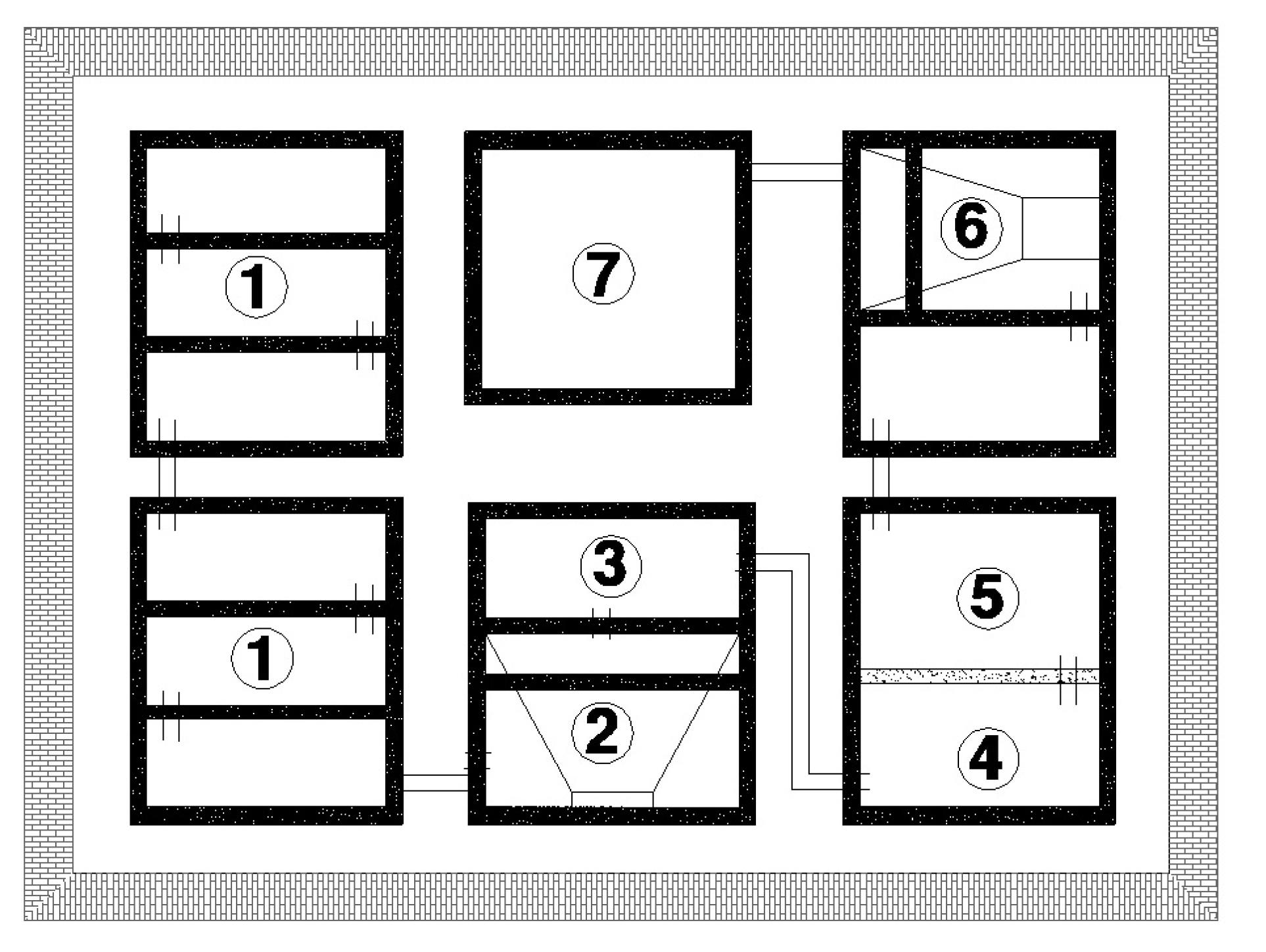
Fig. 1.
Schematic Representation of Existing Wastewater Treatment Plant
.
Schematic Representation of Existing Wastewater Treatment Plant
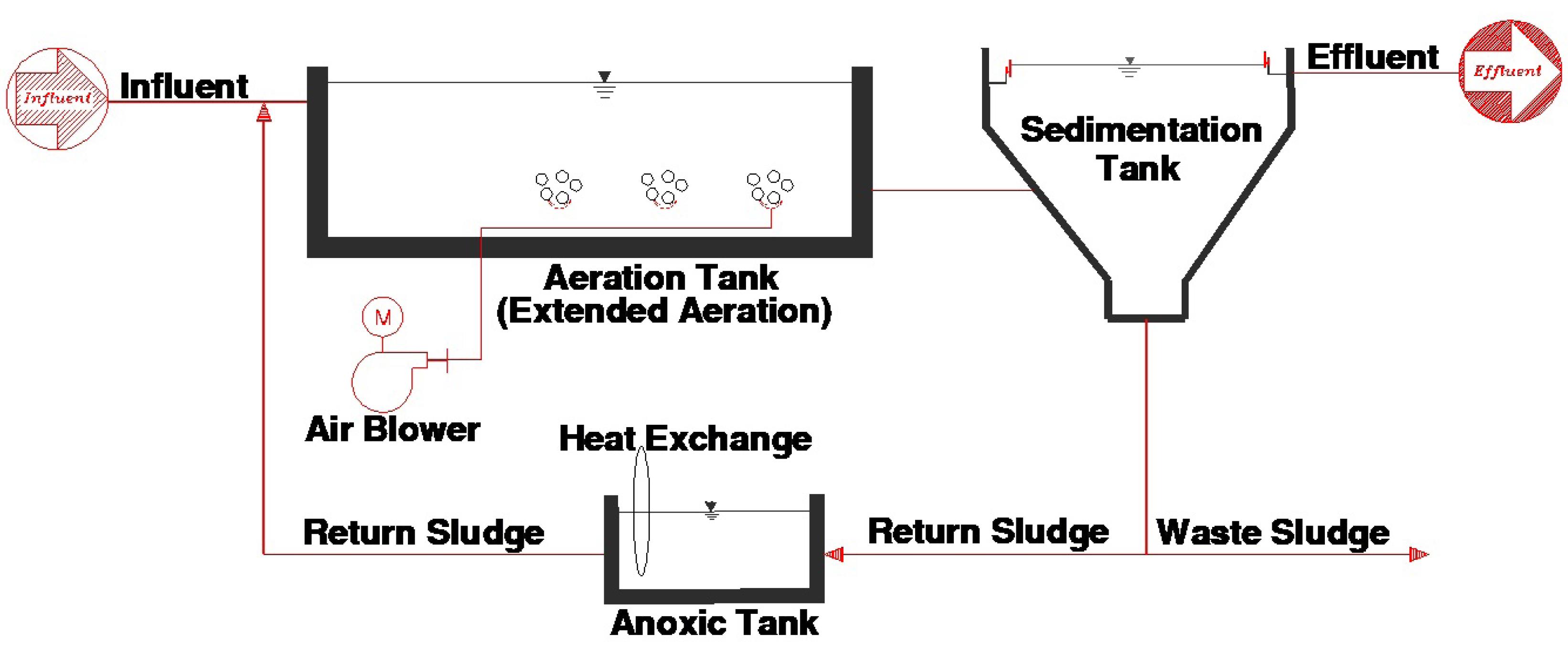
Fig. 2.
Schematic Representation of the System Used in the Research
.
Schematic Representation of the System Used in the Research
The complete sampling period, after reaching stable conditions, lasted for 60 days from August 2023 to September 2023. During this period, a total of 60 samples were collected. The samples were taken at 15-day intervals under current operating conditions (ambient temperatures) and at return sludge temperatures of 40 °C, 50 °C, and 60 °C. All variables were measured based on statistical indicators, including maximum, arithmetic mean, minimum, standard deviation, median, geometric mean, decile, first quartile, third quartile, and fourth quartile, as well as the probability of occurrence at 90% and 95%. At the time of conducting the research, the investigated parameters included temperature, dissolved oxygen (DO), total nitrogen (TN), total phosphorus (TP), pH, and flow rate. Each measurement adhered to established standard methods for accuracy and consistency (15). Table 2 demonstrates the standard guidelines of the method for measuring the research parameters.
Table 2.
Standard Method Instructions for Measuring the Desired Parameters (
15)
|
No.
|
Exam
|
Unit
|
Relevant instructions
|
| 1 |
TN |
mg/L |
Hach 10071&10072 |
| 2 |
TP |
mg/L |
HB - 4500 |
| 3 |
pH |
-- |
pH meter |
| 4 |
DO |
mg/L |
DO meter |
Cell growth efficiency coefficient (Y); The new cell mass produced per unit of substrate consumed or removed by microorganisms in the system is called cell efficiency. The value of Y depends on the nature of the substrate, the type of microbial species in the system, and the temperature. When Y is measured along the apex of the growth curve (i.e., the end of the substrate removal period), it is called true yield. The efficiency coefficient is defined as follows (16):
(1)
In order to determine biokinetic coefficients, especially the biomass production coefficient (Y), the changes in the biomass production per unit of time compared to the changes in the consumed substrate (COD or BOD) per unit of time are used. Therefore, the biomass production coefficient at the time of operation (operation yield) can be calculated using the following equation (17):
Y = cell yield coefficient (mass of cells/mass of substrate)
dx/dt = rate of change in biomass [mass/(volume × time)]
dS/dt = rate of change in substrate removal[mass/(volume × time)]
In the evaluation and modeling of biological treatment systems a distinction is made between the observed yield and the synthesis yield (or true yield). The observed biomass yield is based on the actual measurements of the net biomass production and substrate consumption and is actually less than the synthesis yield, because of cell loss by biomass decay concurrent with cell growth. In full-scale wastewater treatment processes the term solids production (or solids yield) is also used to describe the amount of volatile suspended solids (VSS) generated in the treatment process. The term is different from the synthesis biomass yield values because it contains other organic solids from the wastewater that are measured as VSS and have not been biologically degraded. Observed Yield. The observed yield accounts for the actual solids production that would be measured for the system and is shown as follows (14):
Yobs = observed yield, g VSS produced/g substrate removed
rx,vss = total VSS production rate, g/m3.d
rsu = substarte utilization rate per unit reactor volume, g bsCOD/m3.d
3. Results and Discussion
3. 1. Investigation of the TN Parameter in the Study Conditions
The average TN concentrations in the effluent before heating the sludge (existing wastewater treatment plant [WWTP]) and after heating the sludge at 40 °C, 50 °C, and 60 °C were 8.8 ± 0.2, 7.6 ± 1.6, 15 ± 2, and 18.7 ± 2.2 mg/L, respectively. An analysis of variance conducted on the average values of this parameter yielded a P value of less than 0.05, signifying that the observed differences were statistically significant. This result highlights temperature as a critical factor influencing the process, with variations in temperature leading to differing outcomes. Specifically, the TN level in the effluent from sludge maintained at 40 °C showed approximately 5% improvement in efficiency compared to current conditions. In contrast, the TN levels in the effluent from sludge at 50 °C and 60 °C indicated about a 35% decrease in efficiency relative to the existing conditions. The changes in the return sludge temperature improved TN removal efficiency to some extent; however, this increase did not cause a substantial reduction. Furthermore, as the temperature continued to rise, the efficiency showed a declining trend. Fig. 3 provides an illustration of the variations in these parameters under the study conditions.
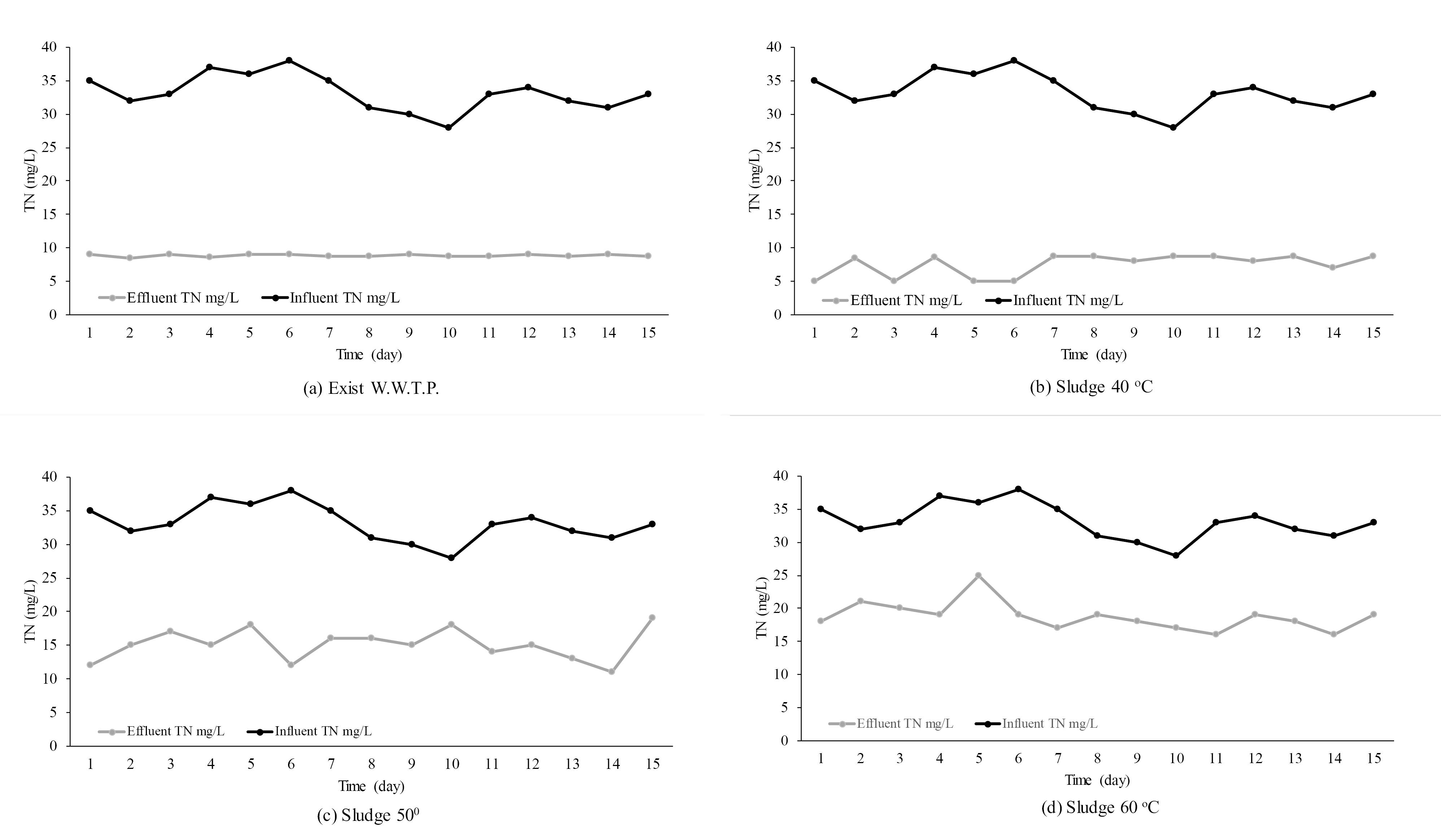
Fig. 3.
Changes in TN Concentration in the Study Conditions, (a) Existing WWTP, (b) Sludge at 40 °C, (c) Sludge at 50 °C, (d) Sludge at 60 °C
.
Changes in TN Concentration in the Study Conditions, (a) Existing WWTP, (b) Sludge at 40 °C, (c) Sludge at 50 °C, (d) Sludge at 60 °C
As seen in Fig. 4, the effluent concentration initially decreased when the temperature of the return sludge was increased; however, it began to rise when the temperature exceeded 50 °C. Consequently, the TN removal efficiency exhibited an increasing trend up to 50 °C, followed by a subsequent decline. Figs. 4 and 5 illustrate the variations in TN removal efficiency and the effluent TN changes in relation to temperature under the study conditions, respectively.
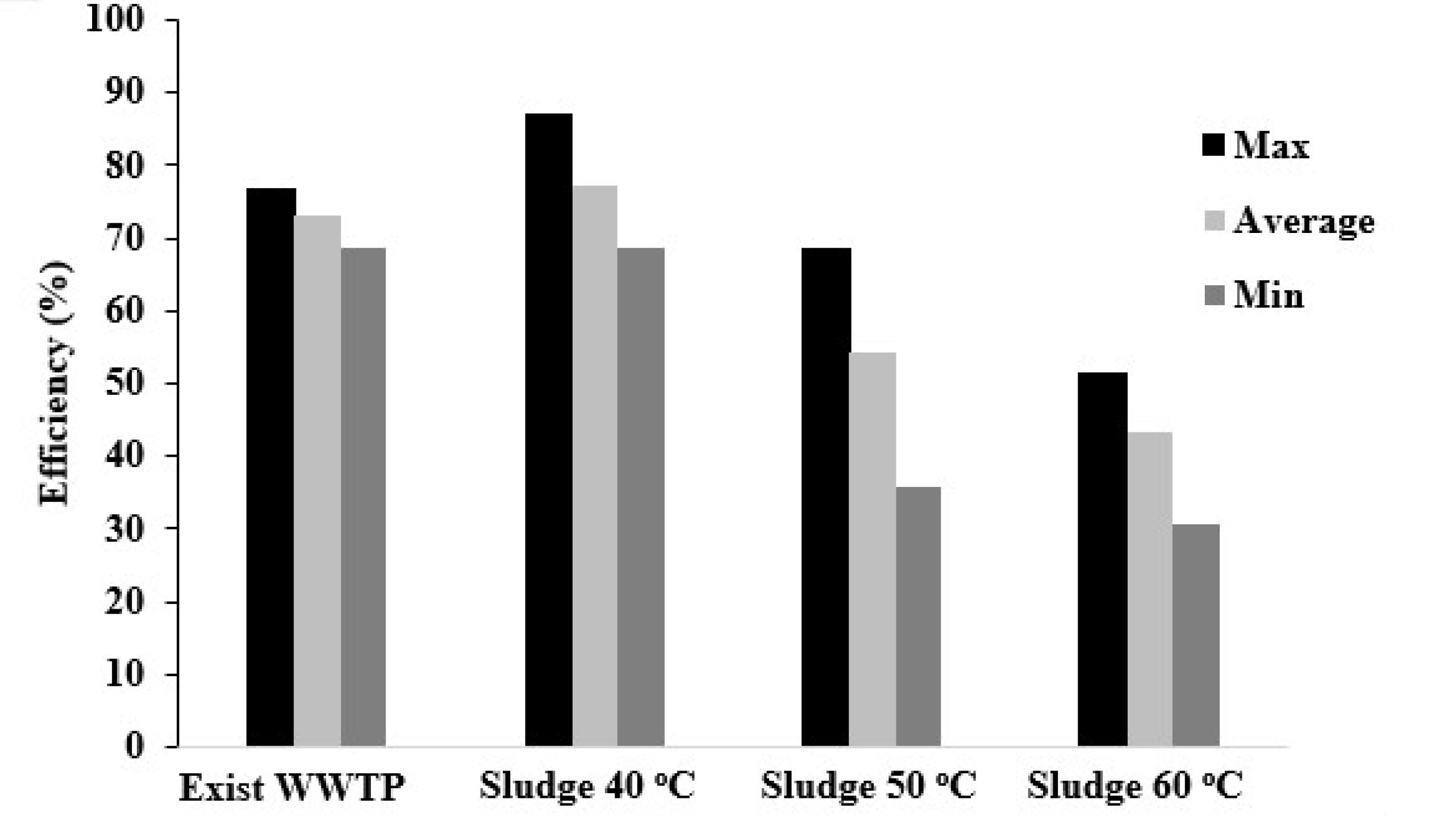
Fig. 4.
Changes in TN Removal Efficiency under the Study Conditions
.
Changes in TN Removal Efficiency under the Study Conditions
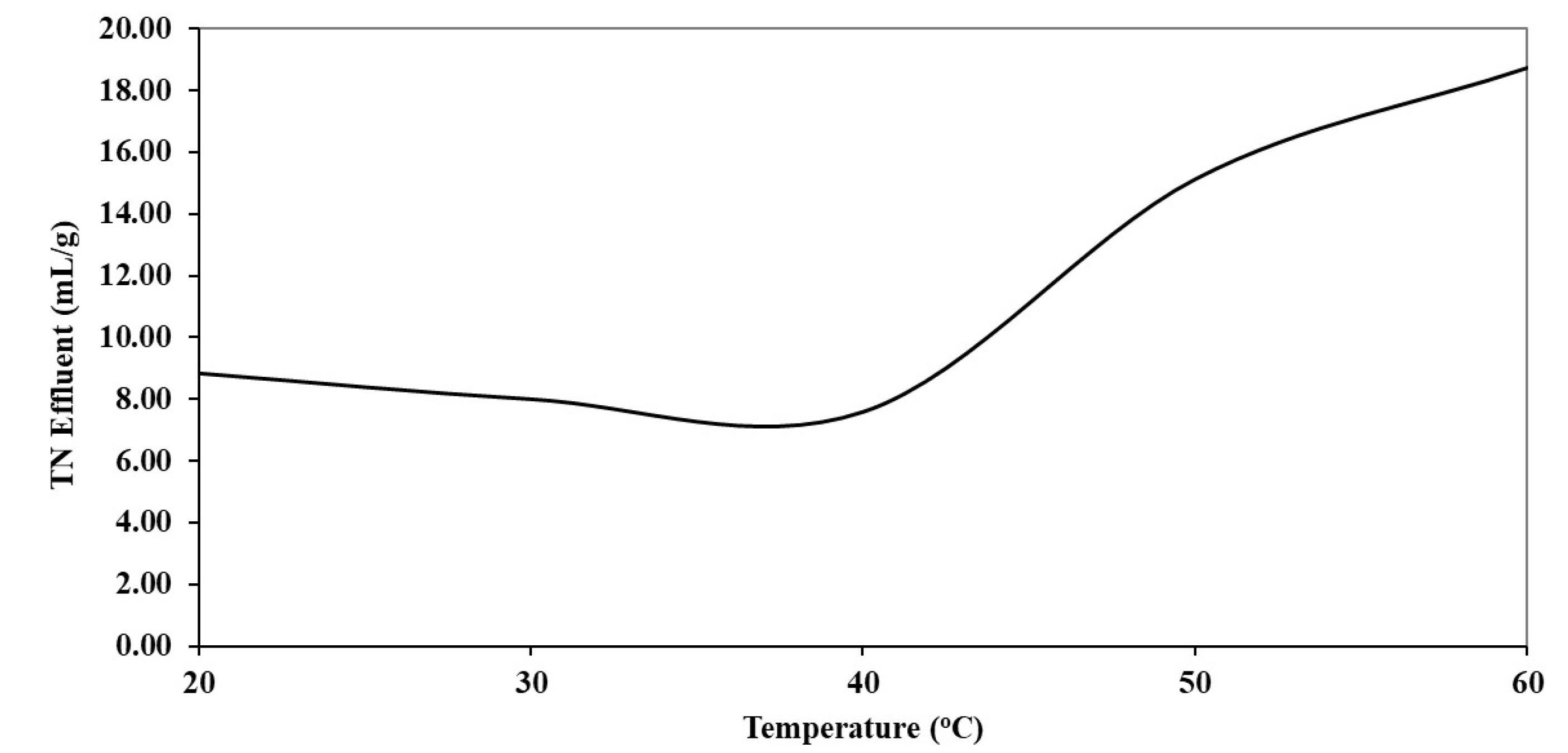
Fig. 5.
Variations in Effluent TN Concentration with Respect to Temperature under the Study Conditions
.
Variations in Effluent TN Concentration with Respect to Temperature under the Study Conditions
In this study, the average TN concentration in the effluent at a return sludge temperature of 40 °C was reduced by 14.17% compared to the TN of the effluent in the current situation, and the average TN concentration in the effluent increased by 41.55% at a return sludge temperature of 50 °C compared to the TN concentration in the output effluent under the existing conditions. When the return sludge temperature reached 60 °C, the TN concentration increased further, showing a 52.81% increase relative to the output effluent in the existing state. During this period, the average efficiency of TN removal in the current situation and at return sludge temperatures of 40 °C, 50 °C, and 60 °C was 73.21%, 77.07%, 54.22%, and 43.41% (current situation), respectively. The comparison of this study with similar research also shows that the nitrogen removal efficiency at ambient temperature and temperature up to 20 °C will have a positive effect on reducing TN concentration, which is completely consistent with the results of the study by Wang et al (18). Meng et al also showed that the trend of effluent output in terms of nitrogen compounds can be decreasing up to a temperature of 40 °C, but this trend can be reversed at a higher temperature (19). In a study, Wang et al investigated the effect of temperature on the amount of dissolved oxygen and its effect on the amount of nitrification, the results of which are consistent with those of the current study. Therefore, the effect of temperature on nitrogen compounds is directly related to the processes of nitrification and denitrification (20). The results of the present study were also compared with those of the study conducted by Kubare, which confirms the results of quality change and reduced efficiency at temperatures above 40 °C (21). In a study, Zhou et al compared the conventional activated sludge (CAS) process with the anoxic-oxic-settling-anaerobic (A + OSA) process and reported a higher total nitrogen removal efficiency for the A + OSA system. The average removal efficiency of TN in OSA + A was higher than that of the AO system, which can be attributed to the availability of a larger amount of carbon source produced from cell lysis and hydrolysis reactions. This carbon source was also used for denitrification in the anoxic tank (22).
3. 2. Investigation of the TP Parameter in the Study Conditions
In this study, the average TP levels in the effluent were measured before heating the return sludge and after heating the sludge at temperatures of 40 °C, 50 °C, and 60 °C. The respective values were 5.1 ± 0.4, 4.5 ± 0.6, 4.2 ± 2, and 5.9 ± 1.7 mg/L. Analysis of variance revealed a P value of less than 0.05, confirming that the observed differences were statistically significant. These results highlight that temperature plays a critical role in the process, with variations leading to notable changes in outcomes. Interestingly, the TP level in the effluent at a sludge temperature of 40 °C increased by approximately 5% compared to current conditions. At sludge temperatures of 50 °C and 60 °C, the TP levels followed a distinct trend: an initial increase up to 50 °C, followed by a decline at 60 °C, ultimately resulting in an overall efficiency reduction of about 5% relative to existing conditions. Adjusting the temperature of the return sludge resulted in improved TP removal efficiency; however, the improvement was not significant. This can be attributed to the decreasing efficiency observed as the temperature rose further. These variations are depicted in Fig. 6.
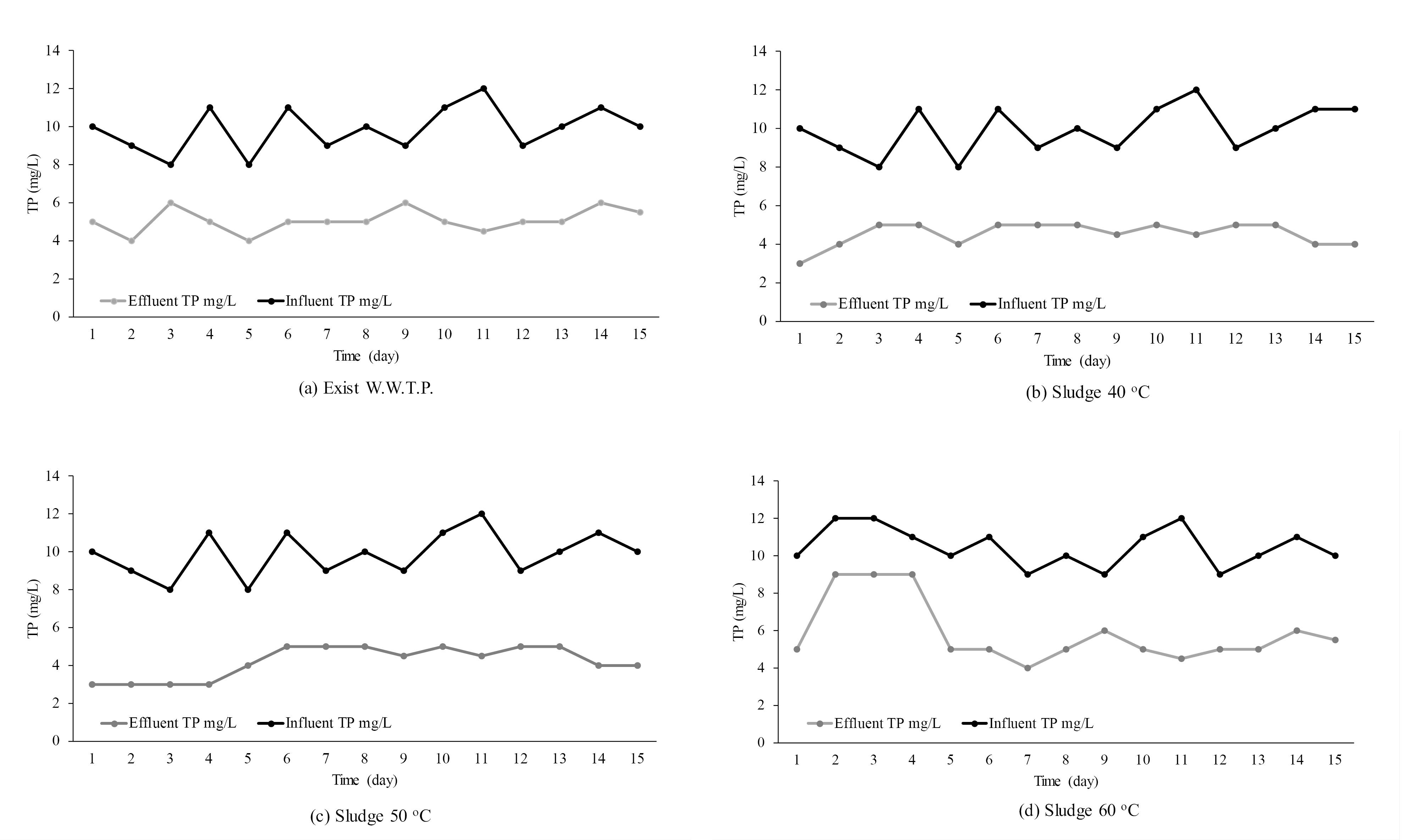
Fig. 6.
Changes in TP Concentration in the Study Conditions, (a) Existing W.W.T.P, (b) Sludge at 40 °C, (c) Sludge at 50 °C, and (d) Sludge at 60 °C
.
Changes in TP Concentration in the Study Conditions, (a) Existing W.W.T.P, (b) Sludge at 40 °C, (c) Sludge at 50 °C, and (d) Sludge at 60 °C
As illustrated in Figs. 7 and 8, the effluent concentration initially decreased when the return sludge temperature was increased but it began to rise again once the temperature exceeded 50°C. This led to a gradual improvement in the removal efficiency of phosphorus compounds as the temperature approached 50 °C. However, beyond this threshold, a decline in efficiency was observed. Figs. 7 and 8 specifically depict the variations in TP removal efficiency and effluent TP levels in relation to temperature under the study conditions, respectively.
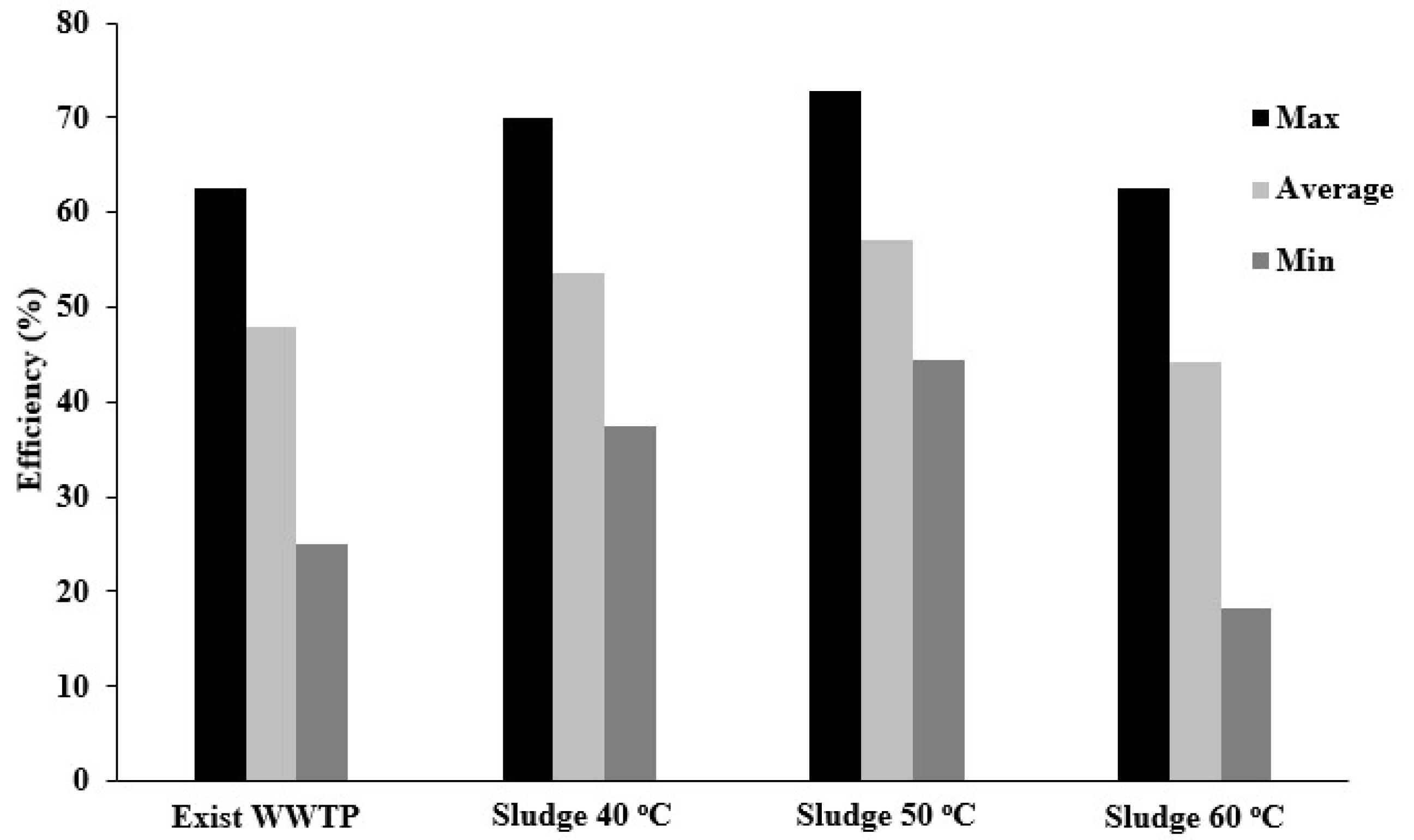
Fig. 7.
Changes in TP Removal Efficiency under the Study Conditions
.
Changes in TP Removal Efficiency under the Study Conditions
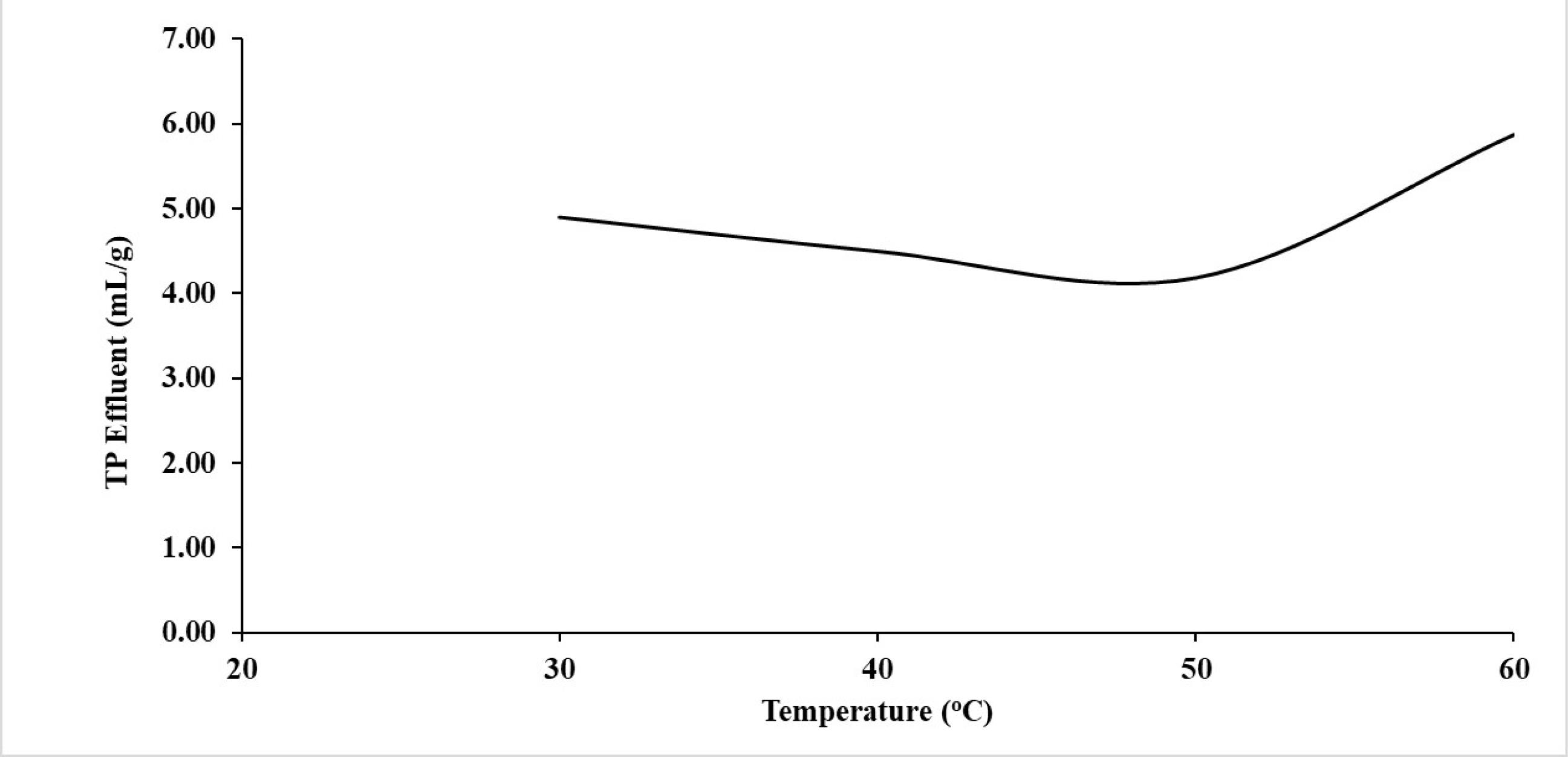
Fig. 8.
Variations in Effluent TP Concentration with Respect to Temperature in the Study Conditions
.
Variations in Effluent TP Concentration with Respect to Temperature in the Study Conditions
In this study period, the average concentration of TP in the effluent at a return sludge temperature of 40 °C reduced by 11.18% compared to the TP of the discharged effluent in the current situation, and the average concentration of TP in the discharged effluent at a return sludge temperature of 50 °C decreased by 17.35% compared to the existing state, but it increased by 13.64% at the return sludge temperature of 60 °C compared to the TP concentration of the effluent in the existing state. During this period, the average efficiency of TP removal before and after heating the return sludge at temperatures of 40 °C, 50 °C, and 60 °C was 47.96%, 53.69%, 57.07%, and 44.24% (current situation), respectively. The comparison of this study with similar research also shows that in other studies, the increase in temperature had a positive effect on the removal efficiency of phosphorus compounds. In the studies conducted by Akpor et al, it was shown that the removal of phosphorus was done better at a higher temperature, which is consistent with the result of this study (23). In a study conducted by Sheik et al, it was shown that at a higher temperature up to 35 °C, better quality was obtained in terms of nutrients and organic compounds (24). Wang et al in their research on the CAS-OSA process stated that placing the sludge holding tank provided favorable conditions for stimulating the growth of phosphorus-accumulating organisms (PAOs); in other words, the phosphorus removal efficiency increased and the average phosphorus. Feng et al managed us content of the modified OSA process sludge is three times higher than that of the CAS process. This group of bacteria competes with other bacteria by releasing phosphorus in anaerobic conditions and storing phosphorus in the aeration reactor (25). The study of Takdastan et al showed that many bacteria are able to store too much phosphorus in the form of polyphosphates in their cells. In anaerobic conditions, PAOs absorb fermentation products (volatile fatty acids) into their cells and continuously release phosphorus from stored polyphosphates. In aerobic conditions, energy is produced by the oxidation of stored products and polyphosphate storage increases within the cell. Storage of phosphate in the form of intracellular polyphosphate in the tissue of slow-growing bacteria (PAOs) leads to the removal of phosphorus from the liquid phase, its reduction in the effluent, and the disposal of phosphorus-rich sludge (26). Therefore, it can be concluded that the increase in phosphorus removal efficiency in the system can be due to the presence of some phosphate-accumulating bacteria that have the ability to remove excessive phosphate in aerobic conditions and also the absorption and storage of phosphorus in the tissue of slow-growing bacteria (PAOs) that lead to the disposal of phosphorus-rich sludge, thereby reducing the soluble phosphorus in the effluent.
3. 3. Determining the Observed Yield Coefficient (Yobs) in the Study Conditions
The observed yield coefficients calculated during the study period under the study conditions before heating the return sludge are presented in Fig. 9.
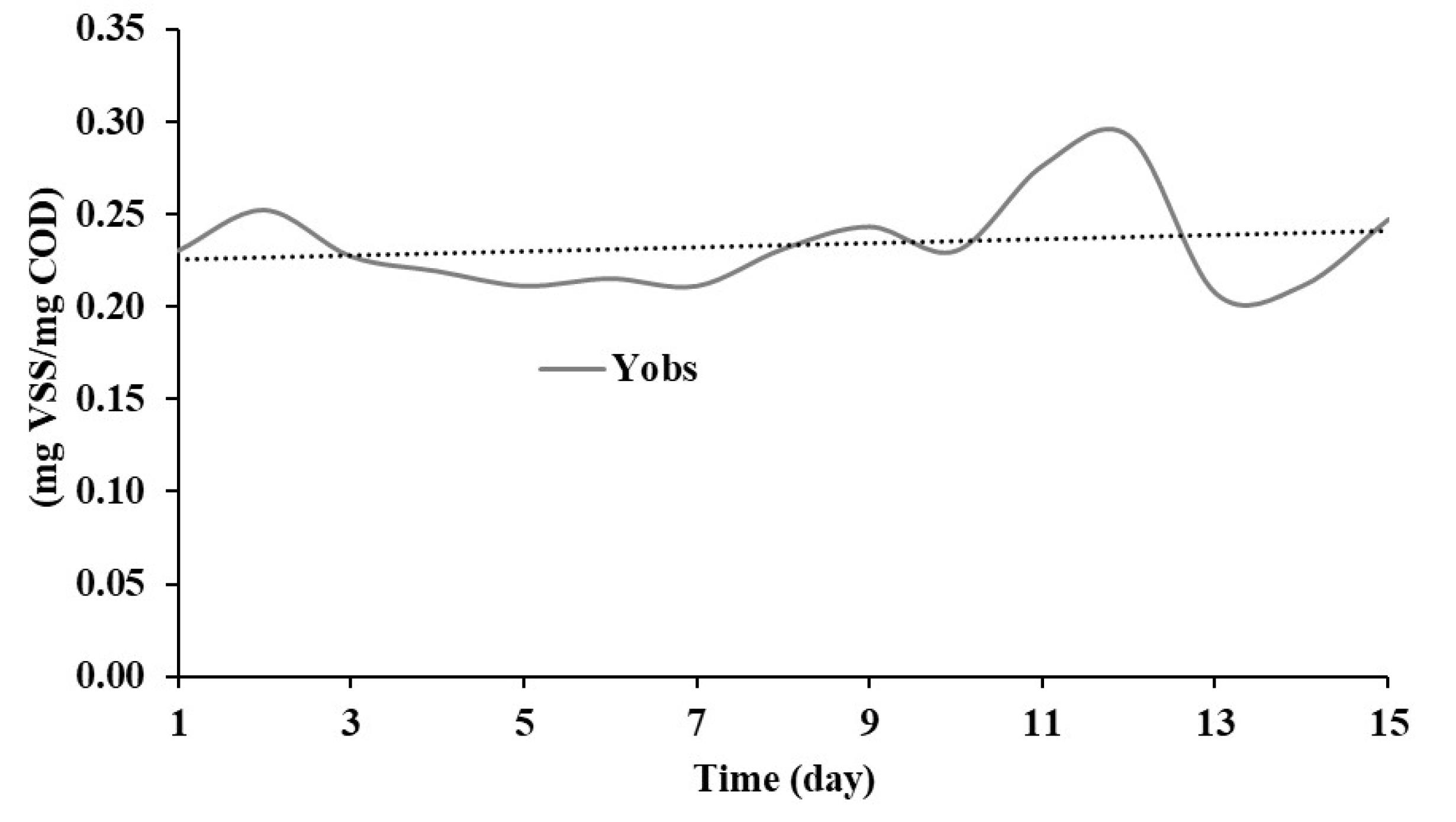
Fig. 9.
Changes in Observed Yield Coefficient before Heating the Return Sludge
.
Changes in Observed Yield Coefficient before Heating the Return Sludge
As observed in Fig. 9, the range of variations in the biomass yield coefficient at ambient temperature before heating the sludge was between 0.21 and 0.29. Generally, with an increase in temperature under stable conditions, the biomass yield coefficient decreased, especially at temperatures between 55 °C and 65 °C (thermophilic conditions) (27). The changes in the biomass yield coefficient after heating the sludge at the studied temperatures are presented in Fig. 10.
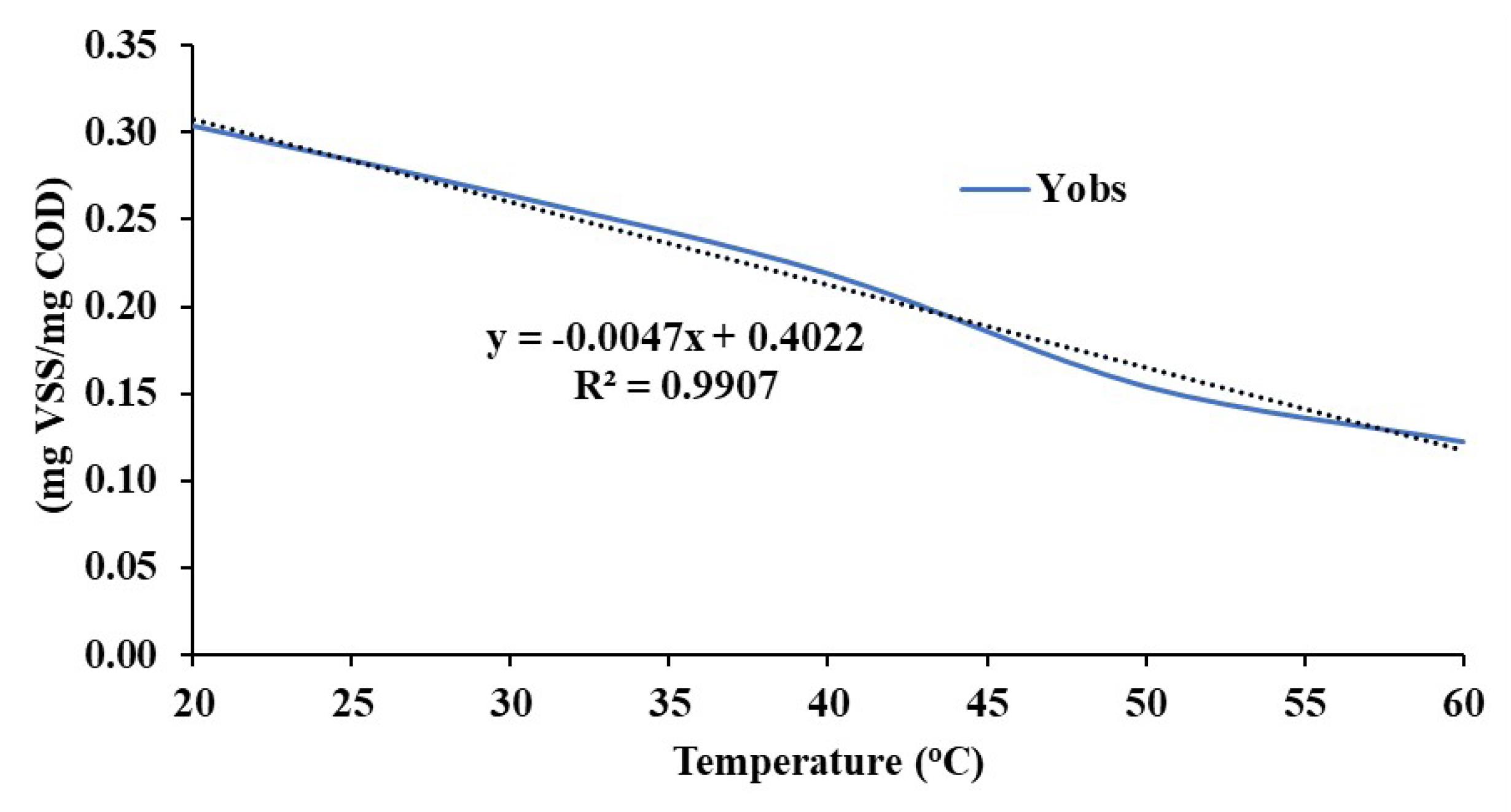
Fig. 10.
Changes in Observed Yield Coefficient in the Study Conditions
.
Changes in Observed Yield Coefficient in the Study Conditions
As seen in Fig. 9, with an increase in temperature to 40°C, 50°C, and 60°C, the bacterial activity and the rate of organic matter decomposition also increased. Consequently, the production of biomass increased, leading to an elevation in the biomass yield coefficient. As a result, biological sludge production also increased significantly. The rate of decomposition (i.e., the activity of microorganisms) increases logarithmically with the temperature, reaching a point where the microbes can tolerate the temperature. Further increase in temperature beyond the tolerance limit of mesophilic bacteria, due to the loss of bacterial enzymes and protein coagulation in the bacterial cytoplasm, can cause non-spore-forming mesophilic bacteria to perish. However, spore-forming bacteria and certain species of thermophilic bacteria tolerate temperatures of 45 °C to 60 °C in the environment and continue to decompose organic matter. Bacterial spores are the most resistant form of life in unfavorable environmental conditions in terms of temperature, pH, toxic substances, and so on. With an increase in temperature, mesophilic heterotrophic bacteria without spores die; in other words, thermal lysis occurs. In this situation, since some bacteria become inactive or die, the rate of decomposition decreases, and the activity of microorganisms decreases, resulting in reduced production of new cells (except for some spore-forming thermophilic bacteria) (28). Despite the decrease in the biomass yield coefficient with the increase in the return sludge temperature up to 60 °C and the decrease in the biomass yield coefficient due to the temperature-dependent reaction, the quality demonstrated a decreasing trend at temperatures above 50°C. Although the sludge production decreased, the quality changed significantly, making it unsuitable for disposal or reuse. The results indicated that the observed yield coefficient (Yobs) decreased by approximately 19.7% at a return sludge temperature of 40 °C compared to the existing system. Additionally, at a return sludge temperature of 50 °C, the observed yield coefficient (Yobs) decreased by about 50%, and at a return sludge temperature of 60 °C, the observed yield coefficient (Yobs) decreased by approximately 60%. This indicates a decrease in the observed yield coefficient with increasing temperature, which is fully consistent with the study conducted by Deleris et al (27). Vandekerckhove et al conducted a study investigating the effects of temperature on kinetic coefficients, and the results obtained from their research fully confirm the results of this study. Vandekerckhove et al used a temperature range of 20 to 60 °C and reported that as the temperature increased, the biomass yield coefficient decreased. However, this issue negatively affects the effluent quality and sedimentation capability of sludge (29). Zhai et al examined the trend of changes in biomass yield coefficient with increasing temperature in a study, which also confirms the results of this study (30). Wei et al also discussed the impact of temperature on reducing the Y coefficient and consequently reducing sludge yield (31). Additionally, the results of the study by Canales et al showed that an increase in temperature led to a decrease in the biomass yield coefficient in the activated sludge process, which is consistent with this study (28). The results indicated that at a return sludge temperature of 40 °C, the volume decreased by 47.05% and the weight decreased by 36.07% compared to the existing system. The decreasing trend continued up to a return sludge temperature of 50 °C, with volume decreasing by 56.93% and weight decreasing by 62.30%. Additionally, at a return sludge temperature of 60°C, the volume decreased by 60% and the weight decreased by 75.41%, indicating a decreasing trend of this parameter with increasing temperature. As the temperature increased, the decreasing trend intensified, which is fully supported by the study conducted by Hang et al (32). Moreover, by modifying the CAS system to the OSA system and using gravity thickening, Wang et al managed to significantly reduce excess sludge in domestic wastewater. Their efforts resulted in a 33.3% decrease in excess sludge compared to the control reactor, with an organic loading rate of 0.48 gCOD/gTSS·d−1 (25). The study on sludge reduction conducted by Xu et al showed that the bacterial population present in the system can play a significant role in sludge production (33). Ferrentino et al conducted a study titled “An Anaerobic Side-stream Reactor in Wastewater Treatment”. By constructing an anaerobic system in the return sludge line, the biological excess sludge was reduced by approximately 40 to 60%. This system is known as the anaerobic side-stream reactor (34). Extensive studies conducted by Chen et al in 2001 and 2003 on the mechanisms of sludge reduction in the OSA process did not find the energy uncoupling, growth reduction, and the formation of soluble microbial products to be effective in sludge reduction. Instead, they identified a potential mechanism for sludge reduction in the OSA process as the accelerated decomposition of sludge under low oxidation-reduction potential conditions in the anaerobic tank. In their experiments, an increase in soluble COD was observed in the anaerobic tank, which resulted in hidden growth in the aerated tank and led to a reduction in sludge production (35,36).
3. 4. Determining the Excess Sludge at Different Temperatures of the Sludge
The amount of excess sludge was measured under current conditions before and after heating the sludge at temperatures of 40 °C, 50 °C, and 60 °C. The trend of changes in this index during the study period under the study conditions can be observed in Fig. 11. As seen in Fig. 11, with an increase in temperature under stable conditions, this index exhibited a descending trend.
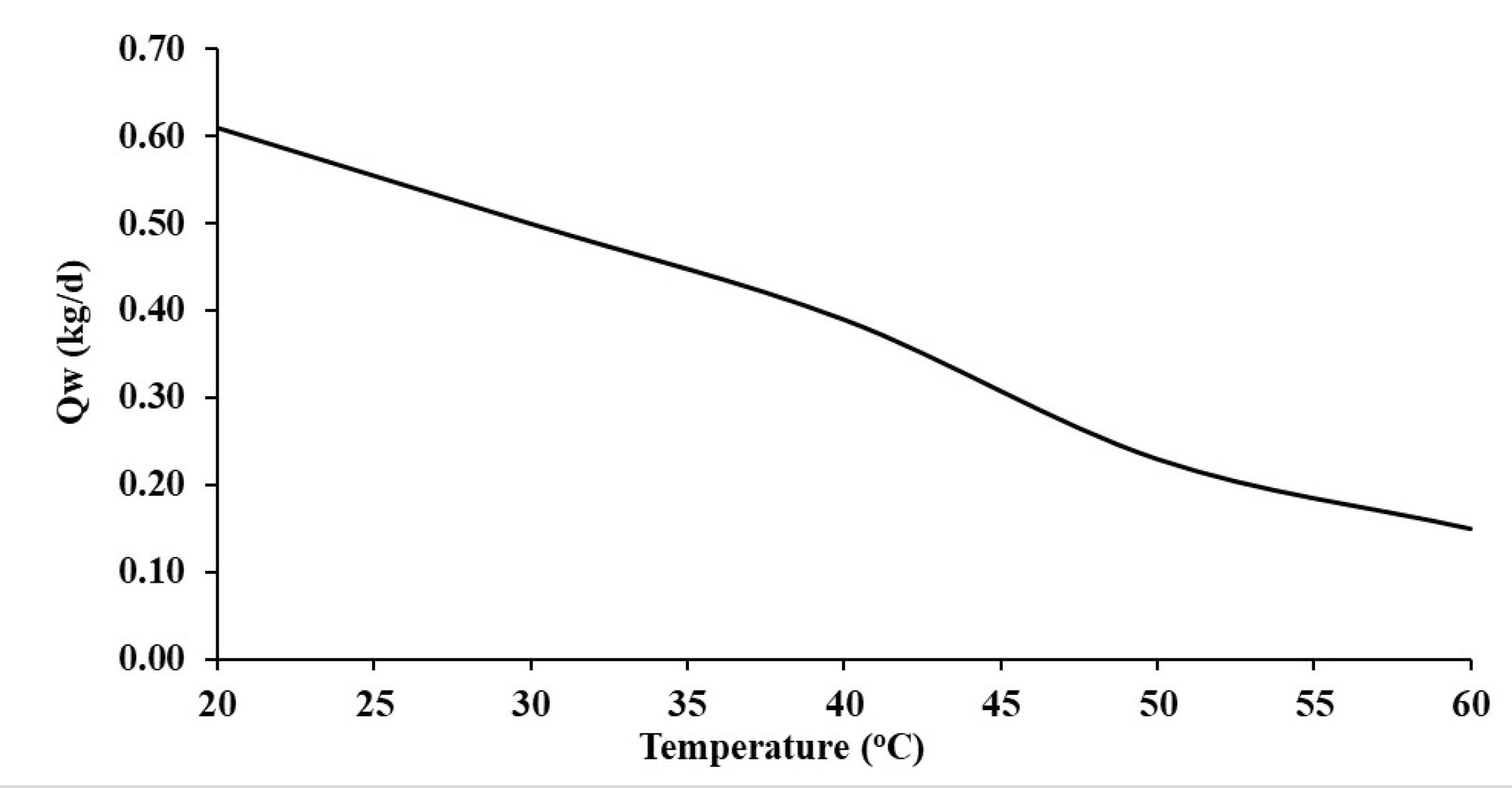
Fig. 11.
Changes in Mass of Waste Sludge (kg/d)
.
Changes in Mass of Waste Sludge (kg/d)
4. Conclusion
The study revealed that modifying the return sludge temperature to 40°C in the conventional bioreactor led to notable improvements in several performance areas compared to the existing conditions. These improvements included enhanced removal of TN and TP, a decrease in the sludge yield coefficient and excess sludge production, better sludge volume index, and subsequently improved sludge settling efficiency. However, the findings also highlighted that although higher temperatures reduced the produced sludge, the quality of the effluent in terms of nutrients and suspended matter might decline under these conditions.
Acknowledgments
This article was extracted from the doctoral dissertation of the first author in the Department of Environmental Engineering at Islamic Azad University, Ahvaz, Iran. The authors would like to express their sincere gratitude to the esteemed management of Pars Sugar Factory in Shiraz and the esteemed management of Palayandeh Mohit Company for their cooperation in sample collection and testing. We also extend our thanks to the respected advisors and professors who contributed to this dissertation.
Competing Interests
None declared.
Funding
This study was supported by Ahvaz Islamic Azad University.
References
- Jefferson B, Laine AL, Stephenson T, Judd SJ. Advanced biological unit processes for domestic water recycling. Water Sci Technol 2001; 43(10):211-8. [ Google Scholar]
- Foladori P, Andreottola G, Ziglio G. Sludge Reduction Technologies in Wastewater Treatment Plants. IWA Publishing; 2010.
- Vitanza R, Cortesi A, De Arana-Sarabia ME, Gallo V, Vasiliadou IA. Oxic settling anaerobic (OSA) process for excess sludge reduction: 16 months of management of a pilot plant fed with real wastewater. J Water Process Eng 2019; 32:100902. doi: 10.1016/j.jwpe.2019.100902 [Crossref] [ Google Scholar]
- Saby S, Djafer M, Chen GH. Feasibility of using a chlorination step to reduce excess sludge in activated sludge process. Water Res 2002; 36(3):656-66. doi: 10.1016/s0043-1354(01)00259-7 [Crossref] [ Google Scholar]
- Odegaard H. Sludge minimization technologies--an overview. Water Sci Technol 2004; 49(10):31-40. [ Google Scholar]
- Pérez-Elvira SI, Nieto Diez P, Fdz-Polanco F. Sludge minimisation technologies. Rev Environ Sci Biotechnol 2006; 5(4):375-98. doi: 10.1007/s11157-005-5728-9 [Crossref] [ Google Scholar]
- Ginestet P. Comparative Evaluation of Sludge Reduction Routes. IWA Publishing; 2006.
- He J, Wan T, Zhang G, Yang J. Ultrasonic reduction of excess sludge from activated sludge system: energy efficiency improvement via operation optimization. Ultrason Sonochem 2011; 18(1):99-103. doi: 10.1016/j.ultsonch.2010.03.006 [Crossref] [ Google Scholar]
- Fazelipour M, Takdastan A, Borghei SM, Kiasat N, Glodniok M, Zawartka P. Efficiency studies of modified IFAS-OSA system upgraded by an anoxic sludge holding tank. Sci Rep 2021; 11(1):24205. doi: 10.1038/s41598-021-03556-6 [Crossref] [ Google Scholar]
- Nikpour B, Jalilzadeh Yengejeh R, Takdastan A, Hassani AH, Zazouli MA. The investigation of biological removal of nitrogen and phosphorous from domestic wastewater by inserting anaerobic/anoxic holding tank in the return sludge line of MLE-OSA modified system. J Environ Health Sci Eng 2020; 18(1):1-10. doi: 10.1007/s40201-019-00419-1 [Crossref] [ Google Scholar]
- Masoumi Z, Shokoohi R, Atashzaban Z, Ghobadi N, Rahmani AR. Stabilization of excess sludge from poultry slaughterhouse wastewater treatment plant by the Fenton process. Avicenna J Environ Health Eng 2015; 2(1):e3239. doi: 10.17795/ajehe3239 [Crossref] [ Google Scholar]
- Paul E, Liu Y. Biological Sludge Minimization and Biomaterials/Bioenergy Recovery Technologies. John Wiley & Sons; 2012.
- Stasta P, Boran J, Bebar L, Stehlik P, Oral J. Thermal processing of sewage sludge. Appl Therm Eng 2006; 26(13):1420-6. doi: 10.1016/j.applthermaleng.2005.05.030 [Crossref] [ Google Scholar]
- Metcalf E, Abu-Orf M, Bowden G, Burton F, Pfrang W, Stensel H, et al. AECOM (2014) Wastewater Engineering: Treatment and Resource Recovery. McGraw-Hill Education; 2014.
- Lipps WC, Braun-Howland EB, Baxter TE. Standard Methods for the Examination of Water and Wastewater. American Public Health Association; 2023.
- Karia G, Christian R. Wastewater Treatment: Concepts and Design Approach. PHI Learning Pvt Ltd; 2013.
- Karia GL, Christian RA, Jariwala ND. Wastewater treatment: Concepts and design approach. PHI Learning Pvt. Ltd. 2023.
- Wang H, Xu Y, Chai B. Effect of temperature on microorganisms and nitrogen removal in a multi-stage surface flow constructed wetland. Water 2023; 15(7):1256. doi: 10.3390/w15071256 [Crossref] [ Google Scholar]
- Meng J, Li J, Li J, Nan J, Deng K, Antwi P. Effect of temperature on nitrogen removal and biological mechanism in an up-flow microaerobic sludge reactor treating wastewater rich in ammonium and lack in carbon source. Chemosphere 2019; 216:186-94. doi: 10.1016/j.chemosphere.2018.10.132 [Crossref] [ Google Scholar]
- Wang J, Yang H, Liu X, Wang J, Chang J. The impact of temperature and dissolved oxygen (DO) on the partial nitrification of immobilized fillers, and application in municipal wastewater. RSC Adv 2020; 10(61):37194-201. doi: 10.1039/d0ra05908k [Crossref] [ Google Scholar]
- Kubare M. Effects of High Temperature on Nitrogen Removal from Oil Refinery Wastewater: Theoretical, Modelling and Practical Aspects [dissertation]. IHE Delft Institute for Water Education; 2007.
- Zhou Z, Qiao W, Xing C, Wang C, Jiang LM, Gu Y. Characterization of dissolved organic matter in the anoxic–oxic-settling-anaerobic sludge reduction process. Chem Eng J 2015; 259:357-63. doi: 10.1016/j.cej.2014.07.129 [Crossref] [ Google Scholar]
- Akpor OB, Momba MN, Okonkwo JO. The effects of pH and temperature on phosphate and nitrate uptake by wastewater protozoa. Afr J Biotechnol 2008; 7(13):2221-6. [ Google Scholar]
- Sheik AG, Seepana M, Ambati SR. Model-based analysis of the effect of temperature in biological wastewater treatment plants for simultaneous removal of organic matter, nitrogen, and phosphorous. Indian J Chem Technol 2022; 29(4):448-58. [ Google Scholar]
- Wang J, Li SY, Jiang F, Wu K, Liu GL, Lu H. A modified oxic-settling-anaerobic activated sludge process using gravity thickening for excess sludge reduction. Sci Rep 2015; 5:13972. doi: 10.1038/srep13972 [Crossref] [ Google Scholar]
- Takdastan A, Mehrdadi N, Torabian A, Azimi AA, Nabi Bidhendi G. Investigation of excess biological sludge reduction in sequencing batch reactor. Asian J Chem 2009; 21(3):2419-27. [ Google Scholar]
- Deleris S, Geauge V, Camacho P, Debelletontaine H, Paul E. Minimization of sludge production in biological processes: an alternative solution for the problem of sludge disposal. Water Sci Technol 2002; 46(10):63-70. [ Google Scholar]
- Canales A, Pareilleux A, Rols JL, Huyard A. Decreased sludge production strategy for domestic wastewater treatment. Water Sci Technol 1994; 30(8):97-106. [ Google Scholar]
- Vandekerckhove TGL, De Mulder C, Boon N, Vlaeminck SE. Temperature impact on sludge yield, settleability and kinetics of three heterotrophic conversions corroborates the prospect of thermophilic biological nitrogen removal. Bioresour Technol 2018; 269:104-12. doi: 10.1016/j.biortech.2018.08.012 [Crossref] [ Google Scholar]
- Zhai Y, Peng C, Xu B, Wang T, Li C, Zeng G. Hydrothermal carbonisation of sewage sludge for char production with different waste biomass: effects of reaction temperature and energy recycling. Energy 2017; 127:167-74. doi: 10.1016/j.energy.2017.03.116 [Crossref] [ Google Scholar]
- Wei Y, Van Houten RT, Borger AR, Eikelboom DH, Fan Y. Minimization of excess sludge production for biological wastewater treatment. Water Res 2003; 37(18):4453-67. doi: 10.1016/s0043-1354(03)00441-x [Crossref] [ Google Scholar]
- Lv H, Liu D, Zhang Y, Yuan D, Wang F, Yang J. Effects of temperature variation on wastewater sludge electro-dewatering. J Clean Prod 2019; 214:873-80. doi: 10.1016/j.jclepro.2019.01.033 [Crossref] [ Google Scholar]
- Xu H, Yang B, Liu Y, Li F, Song X, Cao X. Evolution of microbial populations and impacts of microbial activity in the anaerobic-oxic-settling-anaerobic process for simultaneous sludge reduction and dyeing wastewater treatment. J Clean Prod 2021; 282:124403. doi: 10.1016/j.jclepro.2020.124403 [Crossref] [ Google Scholar]
- Ferrentino R, Langone M, Andreottola G, Rada EC. An anaerobic side-stream reactor in wastewater treatment: a review. WIT Trans Ecol Environ 2014; 191:1435-46. doi: 10.2495/sc141212 [Crossref] [ Google Scholar]
- Chen GH, Saby S, Djafer M, Mo HK. New approaches to minimize excess sludge in activated sludge systems. Water Sci Technol 2001; 44(10):203-8. [ Google Scholar]
- Chen GH, An KJ, Saby S, Brois E, Djafer M. Possible cause of excess sludge reduction in an oxic-settling-anaerobic activated sludge process (OSA process). Water Res 2003; 37(16):3855-66. doi: 10.1016/s0043-1354(03)00331-2 [Crossref] [ Google Scholar]